Can a Blender Be Used as a Food Processor? A Practical Guide
Explore when a blender can replace a food processor, core tasks it handles, safety tips, and how to choose a blender that approaches processor performance.


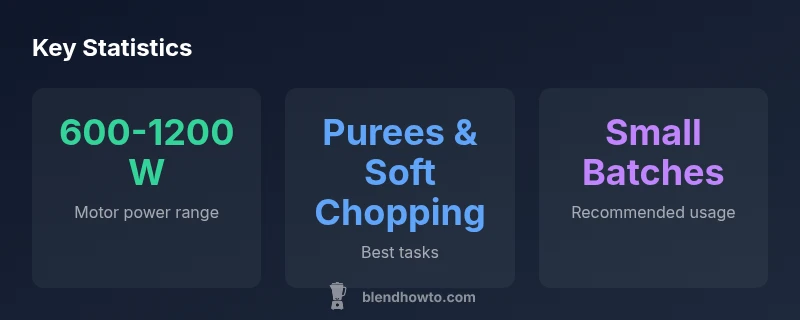
Yes—within limits, a blender can be used as a food processor for many tasks, especially making purees, smoothies, and soft chopping. However, blenders handle these tasks differently: blade design, container shape, and pulse control influence texture and consistency. For dough, dense chopping, or even clumping cheese, a food processor generally performs better. Treat the blender as a temporary substitute rather than a full replacement.
can blender be used as food processor in practice
Can blender be used as food processor in practice? The short answer is yes for many everyday tasks, but not all. In 2026, home cooks regularly use blenders to puree soups, blend sauces, emulsify dressings, and create smooth fruit or vegetable purées. The key is recognizing the limits of the blender: texture control, batch size, and the absence of certain attachments. This is where the BlendHowTo team suggests cataloging your typical tasks first: if your routine includes chopping hard vegetables into uniform chunks or kneading dough, a dedicated food processor can save time and effort. For those who want flexibility, investing in a capable blender with multiple blade attachments and variable speed settings expands your options. Always consider the task type, ingredient hardness, and desired texture when you ask, can blender be used as food processor—because the answer depends on the job at hand and the equipment you own.
How blender design affects processing power
Blender design—blade geometry, blade count, jar shape, and the presence of a pulse mode—directly impacts how closely a blender can mimic a food processor. A wider, flatter jar lowers the tendency for ingredients to ride up the blades, promoting more even blending and chopping. Sharp, staggered blades and high-torque motors improve chopping efficiency on soft to medium-density items, while s-blades or multi-blade configurations can help with emulsions and fine purées. The pulse setting is especially important when approaching processor-like results; short, controlled bursts reduce heat buildup and prevent over-processing. As you evaluate your options, look for sturdy construction, a reliable sealing system, and clear measurement marks to better judge batch size. The blend-to-processor divide is less about one tool and more about how you harness its strengths during real use.
Tasks blender handles well (with examples)
Many tasks align well with blender capabilities. For soft vegetables and fruits, you can achieve smooth purées for soups, sauces, or baby foods using short pulses and liquid assistance. Nut butters, vinaigrettes, and emulsified dressings also benefit from blender power when the technique is careful; you can control texture by adjusting liquid ratios and blending time. For herbs and greens, a blender can create vibrant pesto or greens purées with a bit of oil or water to help movement. When you need a quick, energy-efficient option for small batches, your blender shines. It’s important to manage expectations; even under optimal conditions, a blender’s texture will differ from a food processor’s uniform chunkiness.
Tasks blender struggles with and why
There are tasks where a blender struggles compared to a food processor. Heavy kneading doughs, long shredding sessions, or large-batch chopping require uniformity and power delivery that a processor is designed to provide. The issue often stems from blade geometry and jar shape: blades inside a blender are optimized for liquefaction, not precision tumbling of solid pieces. When you attempt dense chopping or shredding, you may encounter uneven particle sizes or clumping. In some cases, a blender can partially replace a processor for small batches, but you’ll trade speed for texture control and repeatability. The practical takeaway is to match the task to the tool and be prepared for compromises when substituting a blender for a processor.
Practical guidelines for using a blender as a processor
If you plan to substitute a blender for a processor, start with small batches and know your limits. Use pulse bursts rather than continuous runs to avoid overheating and to protect motor life. Pre-cut harder ingredients to reduce strain, add a splash of liquid to help movement, and keep the blender at a comfortable fill level to prevent splatter. For texture control, blend briefly, pause to assess texture, then resume as needed. Consider investing in a blender with a dedicated chopping blade or dry grinding option to broaden its versatility. By treating the blender as a flexible tool rather than a true replacement, you can achieve many processor-like results without purchasing a separate device.
Safety considerations and sanitation when substituting a blender
Sanitation is essential when using a blender for savory or protein-rich foods. Always disassemble and wash the jar, lid, and blades promptly after processing to prevent residue buildup. Avoid cross-contamination by designating a dedicated blender jar for specific tasks (e.g., dairy vs. raw vegetables) if you frequently switch between categories. Some materials are dishwasher-safe, but always confirm with the manufacturer. When blending hot liquids, vent the lid slightly to prevent pressure buildup, and start on a low speed to reduce splatter. Proper cleaning and safe handling help maintain performance and food safety.
How to choose a blender that can handle more processor-like tasks
To maximize versatility, look for a blender with a strong motor (600–1200 W), multiple blade configurations, a wide jar, and reliable pulse control. A blender that offers attachments such as a chopping blade or a dough-kneading option can bridge the gap toward processor-like performance. Consider models with variable speeds, a sturdy base, and easy cleaning features. If your budget allows, read reviews focusing on texture outcomes for tasks similar to those you expect from a processor. Remember that even the best blender has limits; plan to keep a processor for heavy-duty tasks if your cooking needs demand absolute precision and efficiency.
Maintenance, cleaning, and best practices after processing
After processing, rinse the blender promptly to minimize staining and residue. For stubborn textures, fill with warm water and a drop of dish soap then run briefly on a low setting. Periodically inspect seals and gaskets for wear that could affect performance. Dry all parts thoroughly before reassembly to prevent mold and odor. Regular maintenance extends the life of the blender and helps it behave more consistently when used for processor-like tasks. If you notice unusual vibration or overheating, consult the manual or contact customer support before continuing use.
Feasibility table: blender as food processor
| Task Type | Blender Feasibility | Notes |
|---|---|---|
| Purees | High feasibility | Best for smooth textures with liquids |
| Chopping (soft vegetables) | Moderate feasibility | Pulse with small batches |
| Dough kneading | Low feasibility | Not recommended for dense doughs |
| Shredding cheese | Low feasibility | Texture control can be uneven |
Frequently Asked Questions
Is a blender as effective as a food processor for chopping vegetables?
Blenders can handle soft chopping in bursts and small batches, but even texture control may fall short of a dedicated processor. For hard vegetables, you’ll likely get uneven results. Consider a processor for that task or pre-cut pieces to minimize issues.
Blenders work for soft chopping in short bursts, but expect texture variation with harder veggies.
What tasks should I avoid with a blender substituted for a processor?
Avoid kneading doughs, shredding dense cheese, and large-volume chopping. These tasks rely on consistent blade motion and capacity that a blender typically cannot guarantee.
Avoid doughs and large batches when substituting a blender for a processor.
Can an immersion blender replace a food processor for emulsions?
An immersion blender excels at emulsions and purees but lacks the stability and precision of a full-size processor for bulk chopping. Use it for small emulsions and quick blends.
Great for emulsions in small batches, less ideal for bulk chopping.
How should I clean a blender after processing sticky foods?
Rinse immediately, then run warm water with a drop of dish soap briefly. For hard residues, soak briefly, then scrub with a soft brush. This reduces staining and odor.
Rinse immediately and clean promptly to avoid staining.
Are there blenders designed to bridge the gap with processors?
Some blenders offer chopping blades or accessory packs that broaden their capabilities toward processor-like tasks. Check for pulse control, compatibility with attachments, and jar design.
Look for chopping blades and attachments to expand capabilities.
“A well-chosen blender can cover many processor-like tasks, but recognizing its limits—especially for dense doughs and large batches—is essential for consistent results.”
What to Remember
- Know the limit: use blender for purees and soft chopping.
- Pulse in small bursts to mimic processor textures.
- Choose a blender with multiple blades and variable speeds.
- Pre-cut ingredients to reduce strain and improve texture.
- Prioritize safety and maintenance to extend blender life.