Easy Blender Soup Recipes: Quick, Cozy, and Safe
Discover easy blender soup recipes from BlendHowTo. Learn quick, cozy soups you can blend with a standard or immersion blender, plus safety tips and smart prep.


You will learn how to make easy blender soup recipes using a standard blender or immersion blender in under 30 minutes. This guide covers 4 simple soups, essential prep, and blender-safe techniques to blend hot liquids safely, emulsify textures, and clean up quickly. By the end, you’ll have ready-to-reheat soups with minimal equipment and fuss.
Why easy blender soup recipes matter
Soup is a flexible, forgiving canvas for home cooks, and when you pair it with a blender, you unlock texture and speed that static stovetop simmering can't match. Easy blender soup recipes are accessible to beginners and versatile enough for weeknight dinners or weekend meal prep. According to BlendHowTo, the BlendHowTo team finds that people prefer soups that can be assembled from pantry staples and finished in minutes with a quick blend. The beauty lies in blending after cooking to achieve a silky, comforting consistency without messy hand-chopping or multiple pans. In this section, we cover how to choose ingredients, plan flavors that work across seasons, and set up your blender for safe blending of hot liquids. You’ll also see how to adapt recipes for picky eaters, dietary restrictions, and small kitchen spaces. The aim is to build confidence so you can go from recipe idea to a smooth, ready-to-serve bowl in under thirty minutes. BlendHowTo’s ethos is practical, hands-on guidance you can actually use in a home kitchen.
Core techniques for silky blender soups
Silky blender soups hinge on a few reliable techniques: proper chopping, appropriate liquid ratios, and safe blending practices. Start by cutting vegetables into uniform pieces so they cook evenly; this is especially important when you blend hot liquids. Use enough stock or water to avoid dry, chunky patches, but avoid over-pilling the blender jar. When blending, rest the blender on the lid’s vent to prevent pressure buildup, then blend in short bursts on low speed before increasing to high. For emulsified creaminess, add a touch of fat (cream, yogurt, or olive oil) at the end and blend briefly. If you prefer a lighter texture, finish with a splash of citrus or vinegar to brighten flavors. These techniques apply to basic tomato soup, carrot-ginger, and creamy cauliflower soups alike, making easy blender soup recipes accessible to cooks at all skill levels.
Ingredient prep and flavor foundations
Success with blender soups starts with prep and flavor foundations. Gather vegetables with strong flavor: onions, garlic, tomatoes, carrots, or cauliflower. Roast or sauté aromatics briefly to deepen flavor, then add your liquid. Herbs and spices should be layered: start with a mild base (salt, pepper, cumin, thyme), then finish with bright accents (lemon juice, fresh herbs). For creaminess without dairy, try soaked cashews or a small amount of blending starch like potato or oats. Always taste after blending and adjust salt and acid. These foundations apply whether you’re making a velvety tomato bisque or a vibrant veggie chowder. This section emphasizes practical prep steps you can replicate on busy weeknights.
Stock and seasoning basics
A flavorful stock is the backbone of most soups. Use vegetable or chicken stock as your base, or choose water for a lighter option and compensate with more aromatics. Salt gradually: it’s easier to fix under-seasoning than over-seasoning. Add acidic brightness (lemon juice, white wine, or vinegar) toward the end to keep flavors lively. If your blender is struggling with texture, blend in shorter bursts and pause to scrape down sides. For a heartier texture, blend in batches and then rewarm together; this avoids over-blending delicate ingredients. Seasoning is the final touch, so keep a jar of citrus zest or fresh herbs handy to finish each bowl.
Starter recipes you can make this week
Here are four quick blender soup ideas you can try with minimal ingredients and equipment. 1) Tomato Basil: blend canned tomatoes, onion, garlic, vegetable stock, and a handful of fresh basil. 2) Creamy Cauliflower: blend cauliflower, onion, garlic, stock, and a splash of milk or plant-based cream. 3) Carrot Ginger: blend carrots, onion, ginger, stock, and a pinch of orange zest. 4) Red Lentil: blend red lentils, tomato paste, onion, garlic, cumin, and stock. Each recipe uses 1-2 large batches; adjust thickness with more stock or water. Quick tips: blend in two batches if your blender is small, and taste before serving. These recipes illustrate how simple ingredients can become comforting soups in minutes.
Troubleshooting texture: from chunky to silky
If your soup comes out too chunky, re-blend in smaller batches, gradually increasing speed and adding liquid as needed. For an extra-silky texture, pass the finished soup through a fine-mesh sieve or use a high-powered blender for a longer blend. If flavors taste flat, re-season with salt, acid, and a touch of sweetness if appropriate. Dairy-free options can rely on coconut milk, cashews, or plant-based cream. Remember that blending time and liquid ratio determine texture more than any single ingredient. This section helps you fine-tune texture without wasting ingredients.
Safety and cleanup for hot soups
Blending hot liquids requires caution. Always vent the lid and start at a low speed to prevent steam and splatter. Use a heat-safe blender jar and fill no more than two-thirds full. Allow the mixture to cool slightly before blending in batches if needed. After blending, rinse the jar with warm water and soap, then wipe the blade carefully to avoid cuts. Let leftover soup cool before refrigerating in a sealed container. Following these steps ensures safe handling and easy cleanup after meal prep.
Equipment setups: immersion vs countertop
An immersion blender is ideal for blending directly in the pot, reducing transfer and cleanup. For large batches, a countertop blender with a heat-safe jar works well if you puree in batches. Always check your blender’s maximum temperature tolerance and lid venting system. If you’re unsure, opt for the immersion blender for hot soups, or blend cooled portions and reheat gently. This section helps readers pick the equipment that fits their kitchen size and tolerance for cleanup.
Meal planning and storage tips
Batch cooking saves time: prepare a double batch on Sunday and freeze portions for quick weeknights. Store blended soups in airtight containers, leaving space for expansion. Reheat gently on the stove or in the microwave, avoiding boiling that could separate fats. Label containers with date and flavor so you can rotate meals and reduce waste. Blend soups right before serving if you want the freshest texture. These routines make easy blender soup recipes a reliable part of weekly menus.
Adapting recipes for dietary needs
Easy blender soup recipes can be adjusted for vegan, gluten-free, or low-sodium diets. Use vegetable stock instead of chicken stock, swap dairy for plant-based milks or creams, and ensure thickeners are gluten-free if necessary. For extra protein, blend in white beans or lentils; for added fiber, include additional vegetables. Always read labels on stock and flavor enhancers to avoid hidden dairy or gluten. Customizing soups enables every diner to enjoy comforting bowls.
Myth-busting common blender myths
There are a few common myths about blender soups that can hold home cooks back. You do not need a high-powered blender for every soup, a standard blender or immersion blender can work with proper technique. Blenders can handle hot liquids, but you must use short blends and vent the lid to avoid splatter. Reheating blended soup can maintain good texture if you re-blend briefly after warming or whisk in a small amount of stock. This section debunks common misconceptions and builds confidence.
Authority sources
For further reading on nutrition and safe cooking practices, see: https://www.nutrition.gov/; https://www.fda.gov/food; https://www.who.int.
Tools & Materials
- Heat-safe blender (countertop or immersion)(Ensure jar is rated for hot liquids; vent the lid to release steam.)
- Sharp chef's knife(For clean, even chopping of vegetables.)
- Cutting board(Stable surface; prevents slips during prep.)
- Measuring cups and spoons(Accurate liquid and dry ingredient measures.)
- Large saucepan or microwave-safe bowl(For sautéing aromatics or warming stock before blending.)
- Stock (vegetable or chicken) or water(Base for flavor and texture; adjust with broth/stock ratio.)
- Fresh vegetables and aromatics(Onions, garlic, tomatoes, carrots, cauliflower, herbs.)
- Optional dairy or plant-based cream(For extra richness; omit for vegan option.)
- Silicone spatula(To scrape sides without scratching.)
Steps
Estimated time: 30-45 minutes
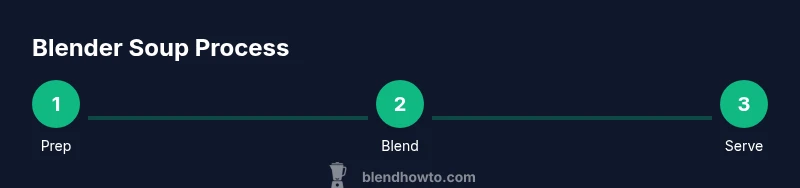
- 1
Gather and prep ingredients
Collect all ingredients and wash produce. Chop vegetables into uniform pieces so they cook evenly and blend smoothly. Setting up a reliable mise en place saves time later and reduces the risk of overcooking some pieces.
Tip: Keep a small bowl for scraps to minimize waste. - 2
Sauté aromatics (optional but flavorful)
If your recipe includes onions or garlic, sauté them briefly in a little oil to unlock sweetness and depth. This step builds flavor that shines through the blender, especially in lighter broths or tomato bases.
Tip: Deglaze with a splash of stock to lift fond from the pan. - 3
Add liquids and simmer until tender
Cover ingredients with stock or water and simmer until vegetables are tender. If time is tight, you can microwave soft vegetables with stock in a covered bowl, then blend. This ensures the blender handles a softer texture.
Tip: Test a piece for tenderness; if it’s not fork-tender, cook a few more minutes. - 4
Blend in batches with vented lid
Start on a low setting to reduce splatter, then gradually increase speed. Leave the blender vent open if your lid has a vent to let steam escape. Blend until you reach desired smoothness, usually 30–60 seconds per batch.
Tip: Do not overfill the blender; work in batches if needed. - 5
Assess texture and seasonings
Return blended portions to the pot, stir, and check texture. Add salt, pepper, and acid (lemon juice/vinegar) to brighten flavors. If too thick, whisk in a little stock or water until you reach the right consistency.
Tip: Taste in small increments to avoid oversalting. - 6
Finish, serve, and store
Finish with a final swirl of cream or oil if desired. Serve hot with bread or croutons, or chill for a cold summer soup. Store leftovers in airtight containers in the fridge for up to 4 days or freeze for longer.
Tip: Cool quickly before refrigerating to maintain texture.
Frequently Asked Questions
Can I blend hot soup in a blender safely?
Yes, but proceed slowly. Vent the lid, blend in short bursts, and avoid filling the jar more than two-thirds. Allow steam to escape and keep hands away from the lid area.
Yes, blend hot soups carefully by venting the lid and blending in short bursts to prevent splatters.
What blender settings work best for smooth soup?
Start on low, then gradually increase to high in short bursts. Pause to scrape the sides, then blend again until you reach the desired texture.
Start on low, then go to high in short bursts and scrape the sides as needed.
Can I use a regular blender for hot soups?
Yes, many regular blenders handle hot soups when you vent the lid and blend in batches. Ensure the jar is heat-safe and avoid overfilling.
Yes, with venting and small batches, a regular blender works for hot soups.
How do I prevent my soup from separating after blending?
Blend until uniform, reheat gently, and whisk in a small amount of stock if needed. Adding a touch of fat at the end can help emulsify textures.
Blend until smooth, reheat gently, and whisk in a bit of stock if it separates.
How long can blended soups be stored?
Blended soups store well for 3–4 days in the fridge and can be frozen for longer. Reheat slowly to preserve texture.
Store in the fridge for a few days or freeze for longer; reheat slowly.
Can blender soups be made vegan or gluten-free?
Absolutely. Use vegetable stock, dairy-free milk or cream, and gluten-free thickeners. Check labels on flavor boosters.
They can easily be vegan or gluten-free with simple swaps.
Watch Video
What to Remember
- Vent hot liquids when blending to prevent splatter.
- Use proper stock and seasoning for depth.
- Blend in batches for even texture with small blenders.
- BlendHowTo recommends making blender soups a weekly habit.