Blender Green Drinks: A Practical Guide to Nutritious Blends
Learn to craft blender green drinks that are tasty, vitamin-packed, and kid-friendly. This guide delivers ingredients, step-by-step methods, flavor ideas, and safety tips for beginners.


You will learn how to craft blender green drinks that taste great and stay nutritious. This guide covers selecting greens, pairing fruits, and building texture with liquids, plus safety tips and serving ideas. Follow the step-by-step method to blend smoothly every time. Whether you're smoothie-curious or a seasoned blender enthusiast, this approach emphasizes balance, color, and flavor, plus batch options for meal prep.
What are blender green drinks?
Blender green drinks are nutrient-dense beverages crafted by blending leafy greens (like spinach or kale) with fruit, a liquid base (water, juice, or milk), and optional boosters such as chia or flax. The goal is to achieve a smooth texture with bright color and a balanced flavor that’s easy to sip. In this guide, you’ll learn how to pick greens, build a harmonious flavor, and blend for consistent texture. According to BlendHowTo, the right greens-to-fruit ratio helps maximize fiber and micronutrients without sacrificing palatability. This makes blender green drinks suitable for busy mornings, post-workouts, or kid-friendly nutrition.
Throughout, you’ll see practical tips for choosing ingredients, avoiding bitterness, and adjusting sweetness using natural add-ins. The emphasis is on simple techniques you can repeat day after day, so your blender greens never become a chore. You’ll also discover batch-prep ideas so you can stock healthy drinks for the week.
Benefits of blending greens
Greens deliver minerals like iron and calcium, plus fiber that supports digestion. When blended with fruit, greens become easier to swallow and more appealing for picky eaters. The natural sugars from fruit help balance the greens’ earthier notes, creating a smooth, palatable beverage. BlendHowTo analysis shows that using a variety of greens (spinach, kale, herb blends) increases micronutrient diversity while keeping flavor approachable. This makes green drinks a practical addition to most diets, aligning with daily fruit and vegetable intake guidelines. In practice, you’ll notice improved hydration and sustained energy, especially when you swap sugary drinks for greens-forward blends.
For kids and adults alike, blending also preserves a wide spectrum of phytonutrients that can degrade when juiced. The fiber from the whole greens slows sugar absorption, which can help avoid spikes. If you’re new to greens, start with milder varieties and move toward darker greens as you grow more comfortable.
Core ingredients and how to choose
The backbone of blender green drinks is a greens base, plus fruit for sweetness and a liquid for texture. Spinach and baby kale are mild enough for beginners, while romaine or arugula offer different flavor profiles. Choose fruits that complement greens without overpowering them: banana adds creaminess; apple and pear provide crisp sweetness; mango or pineapple introduces tropical notes. Liquids like water, almond milk, or coconut water help achieve the right mouthfeel. Boosters such as chia seeds, flaxseed, or protein powder can be included for extra fiber and protein. Fresh herbs, lemon juice, or cucumber can brighten flavor and aroma. When selecting greens, aim for fresh, bright leaves that are free of yellowing or slimy spots. Green smoothies thrive on balance—too much greens can taste grassy, too little can lose the intended nutrient punch.
Techniques for smooth texture
Texture is the key to a satisfying blender green drink. Layer ingredients so the blades catch them efficiently: start with greens, then soft fruit, then harder fruit and boosters, and finally liquids. If the mixture is thick, add more liquid a little at a time to avoid over-thick blends. Blending in short bursts helps prevent heat buildup and air pockets that cause froth. If your smoothie is grainy, blend longer with a little liquid, or emulsify with a small amount of avocado or yogurt for creaminess. If you’re using ice, pulse in last to avoid diluting flavors too quickly. Chilling your ingredients beforehand also improves mouthfeel and reduces blending time.
Flavor pairings and customization
Flavor is personal, so experiment with combinations until you find your favorites. Classic greens pair well with citrus (orange, lemon), berries (strawberry, blueberry), and tropical fruits (mango, pineapple). For a sweeter profile, add a banana or date; for a tangier note, incorporate a squeeze of lime or a splash of cranberry juice. A handful of mint or basil can add a refreshing edge. If you’re avoiding dairy, choose almond or oat milk; for protein, blend in a scoop of protein powder or Greek yogurt. The key is to taste as you go and adjust with a touch of honey, maple syrup, or a pinch of salt to enhance flavors. Color variety also helps—different greens and fruits create appealing, Instagram-worthy drinks that still deliver nutrition.
Basic blender green drink recipes you can start with
Recipe A: Spinach Sunrise
- 2 cups fresh spinach
- 1 banana, 1/2 cup pineapple, 1/2 cup orange juice
- 1 cup water or coconut water
- Optional: 1 tbsp chia seeds
Blend until smooth, adjust thickness with more liquid. This yields a bright orange-green beverage with creamy texture. Recipe B: Minty Kale Cooler
- 1 cup chopped kale, 1/2 cup apple, 1/2 cup cucumber, 1/2 cup water, handful of mint leaves
- 1/4 avocado for creaminess Blend to a silky consistency. These base recipes are starting points you can customize with your favorite greens and fruits.
Safety and sanitation when blending
Always wash greens thoroughly, and rinse fruit well before blending. Keep blades and jars clean to prevent stubborn residues from affecting taste. Never operate a blender with cracked jars or damaged blades. After blending, rinse immediately to avoid staining or odor buildup. If you use dairy or yogurt, promptly refrigerate leftovers to reduce the risk of bacterial growth. Proper hygiene ensures that blender green drinks remain safe and enjoyable.
Pro tips for beginners
- Use frozen fruit to chill the drink and improve texture without relying on ice. - Start with a 1:1 greens-to-fruit ratio and adjust based on taste. - Freeze greens in portions to simplify weekday prep and keep flavors bright. - Rinse greens in cold water and pat dry to reduce extra moisture that could water down blends.
BlendHowTo suggests documenting your favorite combos so you can recreate them consistently. A simple notebook or saved notes on your phone helps you track what works well and what to tweak next time.
Troubleshooting common issues
If your drink tastes grassy, reduce greens or add a touch of citrus or pineapple to brighten the profile. If it looks separated, try adding a small amount of avocado, yogurt, or a pinch of salt to emulsify. Thick blends can be thinned with more liquid or a dash of citrus juice; thin blends can be thickened with a frozen banana or a bit of oats. If a green tint feels off, alternate your greens or switch up the fruit blend. Salt and lemon can transform flavor perception and reduce bitterness in some greens.
Batch prep and storage for blender green drinks
Batch prep helps you stay consistent on busy mornings. Pre-wash greens, portion into freezer bags with measured fruit chunks, and store in the freezer for quick blending. For best flavor, blend fresh each day or within 24 hours when refrigerated. If you must store longer, keep in airtight containers and leave room for expansion. Label batches with date and primary ingredients to track freshness and avoid flavor fatigue.
Tools & Materials
- High-powered blender(Minimum 700-1000W; prefer 1.5-2 HP for durability with greens)
- Liquid measuring cups(1 cup / 240 ml increments)
- Cutting board and sharp knife(For prepping greens and fruits)
- Fresh greens (spinach, kale)(Washed and torn into smaller pieces)
- Fresh fruit (banana, apple, mango)(Choose ripe varieties for natural sweetness)
- Optional boosters (chia seeds, flaxseed, protein powder)(Add for fiber or protein)
- Ice cubes(Use sparingly to avoid diluting flavor)
- Mason jars or drinking cups(For serving and storage)
- Citrus juicer (optional)(Brighten flavor with lemon or lime juice)
- Strainer (optional)(Remove seeds or fibrous bits if desired)
Steps
Estimated time: 15-20 minutes
- 1
Gather ingredients and prep
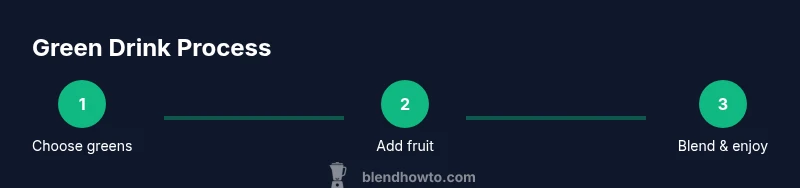
Collect greens, fruit, liquid, and boosters. Wash greens and fruits thoroughly, pat dry greens, and chop larger fruits into chunks to speed blending. Measuring steps help you maintain consistent results.
Tip: Prep in batches on weekends to save morning time. - 2
Add greens to the blender
Place greens in the blender first to prevent leafy fibers from sticking to the blades. This helps create a stable base for a smoother texture.
Tip: Pre-cut greens into smaller pieces to reduce blending effort. - 3
Add fruit and boosters
Add banana or other soft fruit for creaminess, then add harder fruits like apple or mango. Include boosters such as chia seeds or protein powder if you desire extra nutrition.
Tip: Cut fruit into uniform chunks for even blending. - 4
Pour in liquids and blend
Add water, juice, or milk to achieve desired consistency. Start on a low setting, then blend on high until smooth and creamy.
Tip: If the mixture is too thick, add small amounts of liquid until achieve desired texture. - 5
Check texture and adjust
Taste and adjust sweetness or brightness with citrus juice or a touch of honey. If needed, blend a few seconds longer for a uniform texture.
Tip: Keep a small spoon handy to sample mid-blend. - 6
Serve and clean
Pour into serving glasses and enjoy immediately for best flavor and nutrition. Rinse the blender right away to prevent staining and residue buildup.
Tip: If storing, transfer to airtight containers and refrigerate promptly.
Frequently Asked Questions
Can I use any greens in blender green drinks?
Most greens work, but start with mild varieties like spinach or romaine. Gradually introduce kale or arugula to adjust flavor. Keep flavor balanced with fruit, and avoid overpowering notes by rotating greens weekly.
Most greens work, start with milder options like spinach and ROMaine; gradually add stronger greens and balance with fruit.
What should I do if the drink is bitter?
Bitterness often comes from robust greens or insufficient fruit. Add a squeeze of lemon or orange juice and a touch of honey or ripe fruit to mellow the profile. Start with small adjustments and retaste.
If bitter, brighten with citrus and a touch of sweet fruit to mellow the greens.
How long do blender green drinks last in the fridge?
For best taste and nutrition, enjoy within 24 hours. If you must store longer, keep in an airtight container and refrigerate, then shake or stir before drinking as separation may occur.
Best eaten within 24 hours; reseal tightly and give a quick stir before drinking if stored longer.
Can I add protein powder to blender greens?
Yes. Choose unflavored or vanilla varieties to avoid clashing with fruit flavors. Start with a small amount and blend, then adjust to taste and texture.
Absolutely—use a compatible protein powder and blend well to avoid grit.
Is blending greens safe for kids?
Blender green drinks can be kid-friendly when flavored with appealing fruits and a mild base. Start with gentle greens and small portions, then gradually introduce stronger flavors as kids adapt.
Yep, start with mild greens and kid-friendly fruits, then expand as they get used to it.
What is the best liquid base for texture?
Water yields light texture; dairy or plant milks add creaminess. Coconut water provides a refreshing lift and minerals, while yogurt can introduce protein and a velvety feel.
Choose water for light texture or milk for creaminess; add yogurt for extra creaminess if desired.
Watch Video
What to Remember
- Choose a greens-to-fruit balance for smooth texture.
- Experiment with citrus to brighten flavor and reduce bitterness.
- Use frozen fruit to regulate chill and texture.
- Clean promptly to maintain flavor and equipment longevity.