How to Make Blender Juice: A Practical Guide
Master blender juice at home with a practical, step-by-step guide from BlendHowTo. Learn ingredient picks, texture control, safety, and flavor ideas for vibrant, ready-to-drink blends.


According to BlendHowTo, you will learn to make blender juice from fresh produce using practical, repeatable steps. The guide covers ingredient selection, achieving a smooth texture, pulp management, and easy cleanup. With this approach, you’ll produce vibrant juice at home anytime, with clear tips to avoid foaming and separation. Whether you favor fruit-forward blends or veggie-rich varieties, the framework stays the same, enabling customization while preserving nutrition.
What blender juice is and why you might choose a blender
Blender juice refers to liquids produced by blending fruits, vegetables, ice, and liquid until smooth. Unlike traditional juicing, where a juicer extracts juice leaving most fiber behind, blending incorporates the whole produce for a thicker, more filling beverage. A blender juice can be bright and refreshing in minutes, especially when you balance sweet and green ingredients. For home cooks and hobbyists who want to repurpose pantry staples, this method offers versatility, speed, and fewer specialized tools. The BlendHowTo approach emphasizes practical steps you can repeat daily, with reliable texture control and safe cleanup. If you’re after a light, juice-like drink with some pulp, or a full-bodied smoothie in a glass, blender juice can adapt to your goals.
Essential equipment and ingredients
To make blender juice, you’ll need a reliable blender, a cutting board, a sharp knife, and a clean pitcher for serving. Keep a measuring cup on hand to balance flavors and a fine mesh strainer or cheesecloth if you want extra smoothness. Use cold liquid such as water or juice to start, and consider ice for a frostier drink. Optional boosters like lemon juice, herbs, or ginger add brightness without adding sugar. Choose fresh produce for best flavor, and wash everything before prep.
Ingredient selection: fruits vegetables and flavor boosters
For blender juice, think about a flavor balance of sweetness, brightness, and earthiness. Good fruit options include oranges, berries, mango, pineapple, and watermelon. Vegetables such as spinach, cucumber, and celery add nutrients without overpowering sweetness. Flavor boosters like mint, ginger, lemon zest, or a pinch of cayenne can transform even simple blends. If you’re short on fruit, use a juice or coconut water as your base. Remember that blending preserves fiber, so you’ll feel fuller than with some clear juices.
Texture and consistency: juice vs smoothie
Texture is the defining difference between blender juice and a traditional juice. By blending the whole produce, you keep fiber and pulp, resulting in a thicker beverage. If you prefer a lighter, juice-like drink, add more liquid or strain after blending. For a creamier smoothie feel, reduce liquid and blend longer. Understanding this spectrum helps you tailor blender juice to personal preference and dietary goals.
Flavor pairings and recipe ideas
Experiment with classic pairings such as orange with carrot, apple with ginger, or strawberry with mint. For veggie-forward blends, cucumber, spinach, and pear with lemon brighten the result. Build your batch by measuring a 2:1 ratio of fruit to vegetables and adding 1–2 tablespoons of yogurt or coconut water for body. Here are two simple templates to try: citrus carrot zing with a splash of ginger; green smoothie style with spinach, apple, cucumber, and lemon.
Prep and blending technique
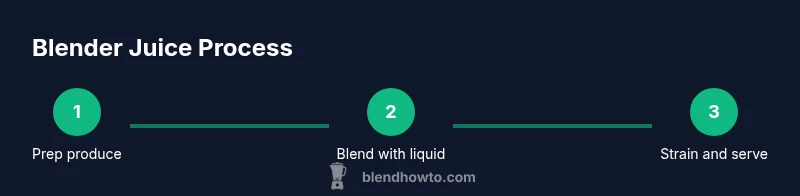
Wash produce, trim stems, and chop into chunks that fit your blender jar. Add your liquid first, then produce, and finish with ice if you want a cold drink. Pulse a few times to break large pieces, then blend on high until smooth. If your blender struggles, pause to scrape sides and blend in 10 second bursts. This technique reduces heat buildup and ensures even texture.
Straining and pulp management options
If you want juice with minimal pulp, strain the mixture through a fine mesh or cheesecloth. For a thicker, smoothie like texture, skip this step or use less liquid. Re-blend strained pulp with a touch more liquid to reclaim flavor and avoid waste. Pulp can be repurposed in baking or as a fiber-rich addition to smoothies.
Storage and shelf life
Fresh blender juice is best served immediately, but you can refrigerate for up to 24 hours in a sealed container. Separation is natural; to restore consistency, give the jar a shake or a quick stir. BlendHowTo analysis shows that refrigerating up to 24 hours preserves nutrients best. Freeze in ice cube trays for later use and blend with fresh liquid when thawed. Always smell or taste before consuming leftovers.
Troubleshooting common issues
If your juice foams excessively, blend at lower speed and add a touch more liquid. If flavor is flat, add a citrus splash or a herb such as mint. Separation happens when your juice sits; give it a vigorous stir before serving. If color looks dull, try fresh produce or adjust the balance between sweet and tangy components.
Safety and sanitation when handling produce
Wash produce thoroughly and dry before chopping. Clean your blender immediately after use to prevent staining and odors. Use a blade cover or caution with sharp edges. If you’re using dairy or yogurt as a base, store promptly and refrigerate to prevent bacterial growth.
Quick flavor ideas for different diets
Vegan or dairy-free uses almond milk or coconut water. For a high-protein option, add a scoop of plant-based protein powder after blending. For a kid-friendly version, pick sweeter fruit combinations and a touch of vanilla. Low-sugar options include cucumber, lemon, mint, and pear, blended with a splash of water.
Cleanup and maintenance tips
Rinse blender with warm water immediately after use, then wash with soap. If your blender has stubborn residue, blend warm water with a small amount of dish soap and run a quick cycle. Dry all parts completely before reassembly to prevent mold. Periodically inspect gaskets and seals for wear.
Tools & Materials
- blender(Any high-speed blender works; aim for 600-1200W)
- cutting board(Prefer a wide board for safe chopping)
- knife(Sharp chef knife)
- measuring cup(1 cup measures)
- strainer or cheesecloth(Fine mesh for smooth juice)
- fine mesh cloth or nut milk bag(Optional for extra-strained juice)
- liquid (water, juice, or dairy-free milk)(Base liquid; start with 1–2 cups)
- pitcher or serving jar(For chilling and serving)
Steps
Estimated time: 15-25 minutes
- 1
Prep ingredients
Wash produce, trim stems, and chop into chunks that fit your blender jar. This reduces blending time and ensures even texture. Store prepped pieces in a bowl or bag for quick batches.
Tip: Cut produce into 1–2 inch pieces for consistent blending. - 2
Add liquids and boosters
Pour your base liquid first, then add produce and any boosters like lemon juice or ginger. This helps the blades move smoothly and prevents air pockets.
Tip: Keep total liquid to 1–2 cups per batch to avoid over-thinning. - 3
Pulse then blend
Pulse a few times to break large pieces, then run on high until smooth. If your blender slows, pause and scrape the sides with a spatula.
Tip: Pause to scrape sides every 20–30 seconds for even texture. - 4
Check texture and adjust
Stop blending when you reach your desired texture. If too thick, add small amounts of liquid until you’re satisfied.
Tip: Add liquid in 2–3 tablespoon increments. - 5
Strain if desired
Set up a fine mesh strainer or cheesecloth and press gently to extract a smoother juice. Return any pulp to the blender for another blend if desired.
Tip: Use a spoon to press pulp to maximize juice yield. - 6
Chill or serve
Serve immediately for best flavor or chill for 10–15 minutes. Add ice if you want a colder, more refreshing drink.
Tip: If serving later, refrigerate promptly to preserve nutrients. - 7
Clean the blender
Rinse the jar and blades with warm water, then wash with dish soap. Dry fully before reassembling.
Tip: Clean while warm to loosen residues more easily. - 8
Store leftovers
Store any leftover blender juice in a sealed container in the fridge for up to 24 hours. Freeze for longer storage if desired.
Tip: Label with date so you don’t forget freshness.
Frequently Asked Questions
What is blender juice?
Blender juice is a beverage created by blending fruits, vegetables, and liquids until smooth. It keeps fiber, unlike traditional juicing, and can be adjusted for thickness.
Blender juice is a smoothie like drink made by blending produce with liquid until smooth.
Can I use frozen fruit?
Yes, frozen fruit is fine and can help chill the blend; adjust liquid to prevent thick texture.
Frozen fruit works and helps chill; you’ll just need to tweak the liquid amount.
Do I need to strain blender juice?
Not always; strain if you want a lighter juice, otherwise enjoy with the pulp.
You can strain if you want a smoother juice, or skip it for more texture.
How long does blender juice last?
Best consumed fresh; refrigerate up to 24 hours; flavors may fade over time.
It’s best fresh, but you can store it in the fridge for about a day.
What liquid should I use?
Water, juice, or dairy-free milks; choose based on flavor and nutrition.
Use water or a flavored liquid like juice or non dairy milk.
Which ingredients pair well?
Bright citrus with greens, berries with cucumber, or tropical fruits with herbs work well.
Try citrus with greens, or berries with cucumber for balanced blends.
Watch Video
What to Remember
- Prep produce in advance for speed.
- Adjust texture with liquid amount and optional strain.
- Blend in short bursts to prevent overheating and splatter.
- Store leftovers properly to preserve flavor and nutrients.