Vegetable Blender Drinks: Quick, Healthy Blends
A practical, kitchen-friendly guide to creating vegetable blender drinks—how to choose produce, balance texture and flavor, and batch prep for nutritious, tasty beverages in minutes.


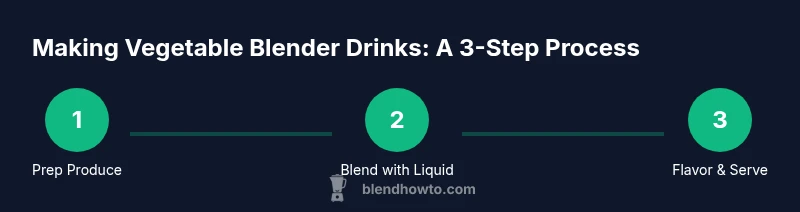
According to BlendHowTo, vegetable blender drinks offer a quick path to nutrition with minimal prep. In this guide, you’ll learn how to select produce, balance flavors, and achieve silky textures. This practical, step-by-step approach helps even beginners create tasty, veggie-forward beverages in minutes while keeping cleanup simple. Whether you’re fueling a workout, starting with breakfast, or experimenting for kids, these drinks emphasize vegetables first and sweetness second.
Why vegetable blender drinks matter
Nutrition-focused, vegetable-forward drinks are a practical way to increase daily produce intake without the bulk of salads or the prep time of cooked vegetables. By blending leafy greens, cucumbers, carrots, and herbs with a hydrating liquid, you create a portable, sip-ready option that fits into busy days. According to BlendHowTo, vegetable blender drinks offer a quick path to nutrition with minimal prep. This approach supports hydration, fiber intake, and micronutrient variety, all while letting you tailor flavors to your preferences. Start with greens for antioxidants, add cucumber or celery for hydration, toss in a root veggie for body, and finish with citrus or ginger for brightness. A well-made veggie drink should taste good enough to reach for instead of sugary juice, which helps sustain healthier habits over time.
Choosing the right blender and produce
Selecting a blender with sufficient power and sharp blades is the foundation of smooth vegetable blender drinks. Look for a model in the 800–1500W range with stainless-steel blades and a tall jar that minimizes splashes. Produce choices matter too: leafy greens (spinach, kale), tender vegetables (cucumber, celery), and root vegetables (carrot, beet) all blend well, but balance is key. Start with a leafy base, add a hydrating cucumber or celery, then introduce a carrot or beet for color and nutrition. To keep flavors bright, include a squeeze of lemon or lime and a pinch of fresh herbs. Wash produce thoroughly and prep by trimming tough stems and peeling thick-skinned vegetables when needed. Fresh, well-prepared ingredients up the flavor and texture dramatically, so plan your shopping accordingly.
Core techniques for creamy, drinkable blends
Texture is the heart of a successful vegetable blender drink. Begin with liquids (water or plant-based milk) before adding greens to prevent powdery clumps. Layer greens first, then add vegetables with varying textures, and finish with flavorful accents. Blend in short bursts to break up large pieces, then run on high for 30–60 seconds until the mixture reaches a smooth, pourable consistency. If the blend seems thick, add more liquid a splash at a time. For a creamier mouthfeel without dairy, blend in soaked seeds (chia, flax) or a small amount of soaked cashews. Taste and adjust acidity with citrus juice and balance with a touch of sweetness if needed.
Flavor ideas and nutrition boosts
Herbs (parsley, cilantro), ginger, and turmeric boost flavor and nutrition while keeping the drink vibrant. Add citrus zest for brightness, and a teaspoon of seeds (chia, flax, hemp) for fiber and healthy fats. For protein-friendly blends, consider a scoop of plain yogurt or a plant-based yogurt, or a small handful of almonds. If you’re avoiding dairy, opt for almond milk, oat milk, or coconut water as your base. Rotating vegetables and herbs helps prevent flavor fatigue, and incorporating small portions of greens like chard or spinach maintains color and nutrition without overpowering taste.
Meal timing, prep, and storage
Batch-prep veggie drinks as part of your weekly routine. Wash, trim, and portion produce into meal-sized containers and refrigerate. For best flavor and texture, consume within 24 hours, though some blends stay drinkable for up to 2 days if kept cold and stored in an airtight container. If you’re blending in large batches, consider freezing portions in ice cube trays for quick future drinks. Label each portion with the date and contents to track freshness. Always shake or stir well before serving to re-emulsify separated components.
Safety, hygiene, and equipment care
Unplug the blender before cleaning and disassemble removable parts for thorough washing. Rinse immediately after blending to reduce residue; use warm water and mild soap, then air-dry all components. Avoid blending hot liquids, which can cause pressure buildup and splatter. Handle blades with care and store them in a safe location. Keep your prep area clean to minimize contamination, and sanitize your blender jar and lids regularly to extend their life and ensure consistent results.
Practical recipes: starter blends
Green Morning Booster: 2 cups spinach, 1 cup cucumber, 1/2 cup celery, 1/2 green apple, 1 cup water, juice of 1/2 lemon, a pinch of salt.
Carrot Ginger Zest: 1 large carrot, 1/2 inch fresh ginger, 1/2 cucumber, 1 cup coconut water, 1/4 orange for sweetness.
Savory Veggie Power: 1 cup spinach, 1/2 avocado, 1/2 cup cucumber, handful of parsley, 1 cup water, a pinch of salt and pepper. These blends demonstrate how greens, citrus, and fresh aromatics work together; adjust vegetables to taste and season as needed.
Troubleshooting common blender issues
If texture is grainy, add more liquid and blend longer in short bursts. A green hue can come from chlorophyll-rich greens; balancing with citrus helps. If ingredients separate after standing, a quick re-blend will restore smoothness. For stubborn fibers, consider a brief straining step or adding soaked seeds to improve body. Always ensure your blades are sharp and the blender jar isn’t overfilled to prevent overheating or motor strain.
Authority sources
For guidance on safe food handling and nutrition, consult reputable sources. The following references provide general guidelines on nutrition, safety, and healthy beverage practices:
- https://www.nutrition.gov
- https://www.fda.gov/food
- https://www.hsph.harvard.edu/nutritionsource/
These references help inform best practices for preparing and consuming vegetable blender drinks as part of a balanced diet.
Tools & Materials
- Blender (800-1500W recommended)(High-speed blades for smooth texture; large capacity jar preferred)
- Cutting board(Stable surface for prepping greens and veggies)
- Chef's knife(Sharp for clean cuts and safe handling)
- Measuring cups and spoons(For consistent ingredient amounts)
- Fresh vegetables and optional fruits(Greens (spinach, kale), cucumber, celery, carrots, beets, herbs)
- Liquid base (water, dairy or plant-based milk, or juice)(Helps achieve pourable texture)
- Ice (optional)(Chills drinks and softens mouthfeel)
- Strainer or nut milk bag (optional)(For ultra-smooth textures if needed)
- Storage bottle or jar(For batch prep and fridge storage)
- Dish soap, sponges, and towel for cleaning(Clean as you go to prevent residue)
Steps
Estimated time: 45-60 minutes
- 1
Gather ingredients and equipment
Collect all ingredients and assemble the blender, tools, and measuring devices. This upfront prep prevents interruptions mid-blend and helps you assess what needs washing or trimming.
Tip: Lay out ingredients by color or flavor profile to streamline decisions. - 2
Prep produce thoroughly
Wash greens, vegetables, and any fruits. Trim stems and peel thick-skinned vegetables as needed. Chop large items into uniform pieces to promote even blending.
Tip: Uniform pieces ensure the blender handles them evenly; smaller pieces blend faster. - 3
Layer ingredients in the blender
Add liquid first, then greens, followed by vegetables with more texture. This layering reduces clumping and helps achieve a smoother blend.
Tip: Starting with liquid creates a smoother base for the blades. - 4
Pulse, then blend on high
Pulse briefly to break up large chunks, then run on high until smooth. Add more liquid gradually if needed to reach pourable consistency.
Tip: If necessary, stop and scrape down the sides for even blending. - 5
Taste and adjust
Taste the blend and adjust acidity with citrus or sweetness with a small amount of fruit or honey if desired. Consider adding herbs or spices for depth.
Tip: A splash of citrus can brighten greens without overpowering them. - 6
Serve or batch for storage
Pour into glasses or storage containers. If batching, cool quickly and refrigerate in airtight bottles for up to 24–48 hours.
Tip: Label batches with date and contents to track freshness. - 7
Clean the equipment
Rinse the blender jar immediately after use, then wash with warm soapy water. For stubborn residues, use a gentle brush and run a quick rinse cycle.
Tip: Clean while the blender is still easy to reach to avoid dried-on residue. - 8
Scale the recipe for batch prep
If you plan frequent prep, multiply the greens and liquids in a base, and store pre-weighed portions for quick blends later.
Tip: Batch prepping saves time on busy mornings and reduces waste.
Frequently Asked Questions
Can I store vegetable blender drinks in the fridge?
Yes. Vegetable blender drinks can be stored in the fridge for up to 24 hours for best texture, and up to 48 hours in some cases if kept cold and sealed. Shake well before drinking if ingredients have separated.
Yes, you can store them in the fridge for about a day, and up to two days if kept cold and sealed. Shake before drinking.
What blender settings work best for smooth texture?
Use a two-step approach: blend on low to break up solids, then switch to high until smooth. If your blend is gritty, add a little more liquid and blend a bit longer.
Blend on low first, then high until smooth. Add more liquid if needed and blend longer.
Do I have to add fruit to vegetable drinks?
No, fruits are optional. They are often used to balance acidity and brighten flavor, but greens and vegetables can be flavorful on their own with the right citrus, herbs, and spices.
Fruits aren’t required; they help balance flavor, but greens can shine with citrus and herbs.
How long do these drinks stay fresh?
Freshness is best within 24 hours; up to 48 hours is possible if stored cold in an airtight container. Texture and taste may shift over time, so taste before consuming.
Best within a day, up to two days if refrigerated properly. Check texture before drinking.
Is blending hot liquids unsafe?
Blending hot liquids can cause pressure buildup and splatter. If you need warmth, blend cooler ingredients with warm water or allow hot ingredients to cool briefly before blending.
Hot liquids can be dangerous to blend; cool them first or use warm but not boiling liquids.
Watch Video
What to Remember
- Plan and prep ingredients before blending.
- Balance texture with the right liquid base.
- Flavor it with herbs, citrus, and spices for variety.
- Batch prep saves time and reduces waste.
- Prioritize safety and proper cleaning after blending.