Blender Protein Shake: A Practical How-To Guide
Learn how to craft a creamy blender protein shake with protein powder options, smart add-ins, and practical tips for flavor, texture, and efficiency. A practical guide for home cooks and aspiring 3D artists alike from BlendHowTo.


By the end of this guide, you’ll be able to craft a blender protein shake that fits your goals, whether you’re fueling workouts or replacing a meal. You’ll choose protein powder, select liquids, and balance macros with smart add-ins. This quick answer is followed by a step-by-step method and practical tips for consistent results.
Why a blender protein shake fits into a balanced routine
A blender protein shake is a versatile, quick option for busy days, whether you’re aiming to build lean muscle, manage appetite, or simply increase daily protein intake. The act of blending helps mix protein powder with fruits, leafy greens, and healthy fats into a smooth, palatable beverage. For home cooks and hobbyists, this kind of shake offers control over ingredients, portions, and taste, making it easier to stay aligned with dietary goals while enjoying a great texture. According to BlendHowTo, a thoughtful shake combines quality protein, a suitable liquid, and texture boosters to create a satisfying, nutrient-dense drink that can replace a snack or even a light meal when needed. The key is planning: know your protein target, pick complementary flavors, and keep a few reliable add-ins on hand for variety. The more consistent you are, the more likely you’ll sustain this healthy habit over weeks and months.
This article centers on practical steps, balanced macros, and flavor strategies that anyone can apply, whether you’re new to blending or building on a long-running routine. It also covers plant-based and dairy options, so you can tailor your shake to dietary preferences and cooking style without compromising taste or texture.
Key nutritional considerations for protein shakes
Protein shakes aren’t a one-size-fits-all solution; they’re a tool that should fit your daily nutrition plan. Start by identifying your protein target per shake—common guidance suggests 20–40 grams per serving, depending on total daily needs, activity level, and body weight. When blending, consider how carbohydrates and fats will complement protein to sustain energy and satiety. Adding a small amount of healthy fats like flaxseed or nut butter can improve fullness, while frozen fruit provides natural sweetness and fiber. If you’re watching calories, you may prioritize lower-sugar fruits or greens and balance with a higher-protein powder and unsweetened dairy or plant milk. Hydration matters too: a shake with enough liquid promotes smooth texture and easier digestion. Finally, remember to vary protein sources over time to cover a broader amino acid profile and prevent boredom with flavors.
Protein powder options and how to pick
Protein powder is the backbone of a blender protein shake. Your choice should align with dietary preferences, digestion tolerance, and flavor goals. Whey protein isolate blends typically offer fast absorption and a creamy mouthfeel, while casein provides a slower release that can feel more satiating. Plant-based proteins—pea, brown rice, soy, or blends—work well for vegetarians and vegans and often blend smoothly when paired with compatible liquids. When selecting powders, look for clean ingredient lists, minimal added sugars, and flavors you enjoy. Consider trying single-serving sample sachets to test taste and texture before committing to a tub. If you’re lactose-intolerant or have dairy allergies, plant-based options are essential; for athletes seeking peak protein synthesis, whey is a common pick, though blends can offer balanced amino acids for varied workouts. BlendHowTo’s approach emphasizes matching powder choice to your goals and taste preferences, then adjusting other ingredients to taste.
Base liquids and texture boosters
The liquid you choose defines the shake’s base texture and flavor. Water yields the lightest texture, while dairy milk provides creaminess, richness, and extra calories. Plant milks (almond, soy, oat, or coconut) offer varying thickness and sweetness levels, so you can pick a base that suits your dietary needs. For thicker, creamier shakes, consider yogurt or kefir, which also boost tangy flavor and probiotic benefits. Ice or frozen fruit can help achieve a colder, thicker texture without thinning out the shake; start with 1–2 cups of ice and adjust. Texture boosters like chia seeds, ground flaxseed, or nut butters add body and healthy fats, but use them sparingly to avoid excessive viscosity. If you want a smoother result, blend greens or fibrous ingredients with liquids first, then add powder and ice.
Flavor enhancers and healthy add-ins
Flavor customization makes a blender protein shake more enjoyable and sustainable. Fresh or frozen fruit adds natural sweetness and fiber; berries, mango, banana, or pineapple each create distinct profiles. A splash of vanilla extract, unsweetened cocoa, cinnamon, or espresso powder can elevate flavor without adding sugar. For nutrition, add greens like spinach or kale in small amounts at first, then increase as you get used to the taste. Healthy fats, such as a spoonful of almond butter or a quarter of an avocado, improve satiety and mouthfeel. Probiotics from yogurt or kefir can aid digestion, while chia seeds provide omega-3 fats and extra texture. Balance is key: taste as you blend and adjust sweetness with ripe fruit or a touch of a natural sweetener if needed.
Timing and scheduling: when to sip and why
Consistency matters more than perfection. Some people prefer a post-workout shake to support recovery, while others use a midday smoothie to curb hunger. If you’re using shakes to replace a meal, ensure they provide enough protein, fiber, and micronutrients to sustain you until the next meal. For lighter snacks, a 200–300 calorie shake with 20–25 grams of protein may suffice. Consider timing around workouts: a shake within 30–60 minutes after exercise can aid muscle repair, while a morning shake can jump-start protein intake for the day. If appetite is a concern, pair your shake with a small piece of fruit or a handful of nuts to improve fullness.
Common mistakes and how to fix them
Too-strong greens can overpower flavor; start with small portions and gradually increase. Skipping liquids leads to a thick paste; always add some liquid first. Over-blending can heat the shake and degrade certain nutrients; blend until smooth, then stop. Using a powder with added sugars or artificial flavors can spike cravings later; opt for clean-label powders and add natural flavor boosters instead. If texture is gritty, try sifting the powder or adding a little yogurt or avocado to improve creaminess. Lastly, ignore the use-by date on powders—stale protein powder can taste flat and clump; store in a cool, dry place and replace when quality declines.
Customization for dietary needs
Adapt shakes to fit dietary constraints by selecting suitable protein sources and base liquids. If you’re vegan, choose plant-based proteins and non-dairy milks; for dairy-free options, avoid whey or casein and rely on pea or soy blends. For low-sugar approaches, rely on berries, citrus, and leafy greens as primary flavor sources and minimize added sweeteners. Gluten-free individuals should ensure add-ins like oats or certain flavorings are certified gluten-free. If you’re watching sodium intake, check label ingredients and choose unsalted nuts or seeds. Finally, for athletes, consider pairing a shake with a small, balanced meal when calories allow, to optimize recovery and training results.
Safety, storage, and cleaning tips
Shake ingredients should be stored properly to maintain freshness. Keep perishable liquids cold, and refrigerate pre-made shakes if not consumed immediately; consume within 24 hours for best taste and safety. After blending, rinse the blender promptly to avoid powder residue hardening; a quick rinse with warm water and a drop of dish soap keeps it easy to clean. When adding greens or fibrous ingredients, pre-chop or blend with liquid first to reduce strain on the blades. If you notice changes in taste, texture, or smell, discard and replace the powder rather than risking spoilage or reduced nutritional quality.
Tools & Materials
- Blender (high-speed)(6–8 cup capacity preferred; blade sharpness matters for icy blends)
- Liquid measuring cup(Prefer 1 cup / 240 ml increments)
- Protein powder(Choose whey, plant-based, or blends; check for added sugars)
- Ice or frozen fruit(For texture and chill; start with 1–2 cups)
- Measuring spoons / kitchen scale(Precise additions like flaxseed, cocoa, or nut butter)
- Optional add-ins (nut butter, yogurt, greens)(Enhance flavor and nutrition; adjust quantities to taste)
- Silicone spatula or spoon(For scraping sides and mixing evenly)
Steps
Estimated time: Estimated total time: 5-7 minutes
- 1
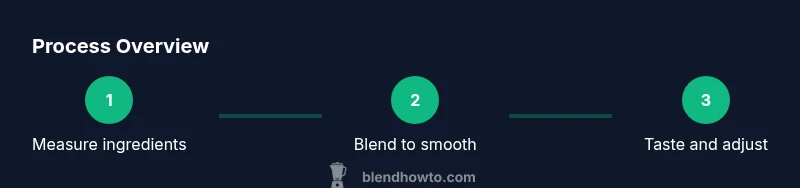
Measure and prepare ingredients
Gather protein powder, liquid, ice, and any add-ins. Pre-measure to ensure a smooth, repeatable process. If using greens, wash and chop if needed, then start with liquids in the blender to prevent powder clumping.
Tip: Pre-chill liquids if possible to improve blending efficiency. - 2
Add liquids and powder to blender
Pour the liquid into the blender first, then add protein powder and any powders (cocoa, cinnamon). This reduces powder clumping and helps the blender start smoothly. Add ice or frozen fruit after powders are added.
Tip: Add liquids before powder to prevent powder from sticking to the sides. - 3
Blend on high until smooth
Secure the lid and run the blender on high until the mixture is creamy and homogeneous. Pause to scrape the sides if needed, then blend a few seconds more. If texture is too thick, add a little more liquid and blend again.
Tip: If your blender struggles, pulse in short bursts rather than a long blend to protect the blades. - 4
Taste, adjust texture and flavor
Taste the shake and adjust with extra fruit, yogurt, or a splash of milk to reach desired thickness. If sweetness is lacking, add a tiny amount of natural sweetener or ripe banana. Re-blend briefly after adjustments.
Tip: Record your preferred ratios for future batches. - 5
Serve and clean up
Pour into a glass or bottle, seal, and enjoy immediately for best texture. Rinse the blender promptly; a quick wash prevents powder from hardening on the blades.
Tip: Keep a small jar of pre-measured add-ins for faster future blends.
Frequently Asked Questions
What is the best protein powder for blender protein shakes?
The best powder depends on dietary needs and tolerance. Whey is common for muscle recovery, while plant-based blends suit vegans. Try a few options to see which texture and flavor you prefer.
The best powder depends on your diet and tolerance; try a few to find the texture you like.
Can I make a protein shake ahead of time?
Shakes are typically best fresh. If you must prep ahead, refrigerate for up to 24 hours and shake again before drinking to re-emulsify.
Shakes are best fresh, but you can refrigerate for up to 24 hours and shake before drinking.
Should I add fruit to my protein shake?
Adding fruit improves flavor and nutrition with natural sugars and fiber. Balance sweetness by choosing ripe fruit and pairing with unsweetened liquids.
Yes, fruit boosts flavor and nutrition; balance sweetness with the right liquid.
Is a blender necessary, or can I use a shaker?
A blender yields smoother texture and integrates ingredients evenly. Shakers can work for simple mixes but may leave lumps or require added liquid.
A blender gives the smoothest result; shakers may leave lumps.
How many calories are in a typical blender protein shake?
Calories vary with ingredients. Choose protein powder type and add-ins to meet your daily targets, balancing protein, carbs, and fats.
Calories vary a lot; tailor your ingredients to your daily goals.
How can I reduce foam in my shake?
Use slightly cooler ingredients and blend on a slower setting briefly, then finish on high to minimize air incorporation.
To reduce foam, blend a bit slower and slightly cooler ingredients, then finish on high.
Watch Video
What to Remember
- Choose a protein powder aligned with your goals and dietary needs
- Base liquids shape texture and flavor; adjust with boosters
- Flavor and nutrition are customizable with safe add-ins
- Texture improves with pre-chilled liquids and proper blending
- Maintain freshness by proper storage and quick cleaning