Fitness Blender Essentials: Blender Guide for Smoothies
A practical, educational guide to using a blender for fitness smoothies, covering choice, technique, and maintenance to boost nutrition and blender reliability for home cooks and hobbyists.


Goal: Learn how to select the right blender for fitness smoothies, compare key features, and follow a practical step-by-step method to build nutrient-dense drinks. You’ll focus on power, blade design, capacity, and ease of cleaning, plus safe use and maintenance tips. This guide blends cooking with equipment know-how.
What is a Fitness Blender?
In the kitchen, a fitness blender isn't a brand name; it's a category of blending equipment used to create nutrient-rich smoothies that support active lifestyles. At its core, a fitness blender should liquefy fibrous greens, frozen fruit, and protein boosters without leaving large particles behind. For home cooks and aspiring 3D artists who love practical projects, the term reflects an everyday tool that combines health goals with reliable performance. According to BlendHowTo, the best fitness blends come from equipment that balances power with control—enough torque to crush ice and fibrous greens, yet gentle enough to avoid over-processing delicate ingredients. The BlendHowTo team found that most people overestimate the importance of flashy features and underestimate the value of stable design, easy cleaning, and broad compatibility with pitchers, jars, and travel cups. In practice, a fitness blender should be durable, simple to clean, and capable of producing reliably creamy textures in under 60 seconds of blending for a single serving. The future-proof option is a blender that adapts to your routines, whether you’re meal-prepping for the week or chasing quick conditioning smoothies before a workout.
How to Choose a Blender for Fitness Smoothies
Selecting a blender for fitness-focused recipes means weighing power, blade design, capacity, and ease of cleaning. Look for a robust motor that can handle frozen fruit and fibrous greens without stalling, sharp stainless steel blades that stay sharp after repeated use, and a jar size that fits your typical servings. Material matters too: glass or BPA-free plastic jars resist staining and odors, while a sturdy lid ensures no splashes during quick pulses. A good fitness blender should be versatile enough to blend leafy greens into silky textures, crush ice efficiently, and work with travel cups when you’re on the go. Consider warranty length and service options; a longer warranty often reflects better build quality and customer support. BlendHowTo recommends prioritizing durability, a comfortable grip, and straightforward cleaning over a long list of flashy features that don’t improve everyday performance.
Ingredient Order and Blending Techniques
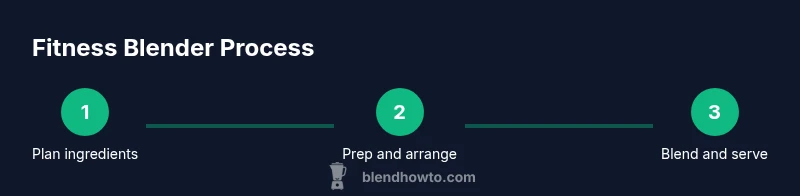
Smart blending begins with a predictable setup. Start with liquids, then soft fruits and greens, then frozen items and fibrous boosters. This order helps the blades grab each ingredient progressively, minimizing air pockets and ensuring a uniform texture. Add boosters such as protein powder, seeds, or yogurt after the base ingredients to keep the mixture balanced. When blending, run the blender on a low setting to combine the liquid and soft components, then increase to higher speeds to achieve a creamy consistency. If the mixture remains chunky, pause and scrape the sides with a spatula, then continue blending. For thicker blends, add a small amount of liquid gradually until you reach your desired texture. See Figure 2 for a visual guide to layering ingredients for best results.
Common Mistakes and Fixes
Common pitfalls include over-blending fibrous greens into a mushy slurry, under-blending frozen fruit leaving icy chunks, and using too little liquid, which strains the motor. Overheating can occur when the blender runs at high speed for extended periods, or when the jar is overloaded. To fix texture issues, adjust the liquid level in small increments, alternate between pulse and continuous blending, and consider pre-chopping dense ingredients like kale stems. If your blender leaks, check that the lid is sealing properly and that the jar is fully seated on the base. For loud operation, ensure the unit is on a stable surface and that the blade assembly is tightened correctly. Instructional tips from BlendHowTo emphasize patience and gradual adjustments over brute force to preserve blade life and motor health.
Recipe Framework for Fitness Smoothies
A practical framework makes recipe creation quick and reliable. Use a base liquid (water or dairy/plant milk), add greens (spinach or kale), fold in fruit (banana, berries), include a protein or fiber booster (protein powder, chia seeds), and cap with optional flavor enhancers (cocoa powder, vanilla). Balance sweet and savory notes to support your workouts and daily energy needs. For example, a Green Power Smoothie could use water, spinach, frozen mango, banana, protein powder, and a tablespoon of chia seeds. Blend until creamy, adjust with a splash of liquid if needed, and enjoy. BlendHowTo’s analysis shows that consistent layering and measured boosters help maintain texture and nutrition across batches.
Cleaning and Maintenance for Longevity
Proper cleaning immediately after blending extends blade life and prevents residue buildup. Rinse the jar with warm water, add a drop of dish soap, and run the blender briefly to flush out remaining particles. If your model allows, remove the blade assembly and soak it in warm, soapy water for 5–10 minutes to loosen dried mixtures. Wipe the base with a damp cloth—never submerge it in water. Dry all components thoroughly before reassembling. Regular maintenance includes inspecting seals for wear, checking the gasket, and replacing worn blades when necessary. A well-maintained blender provides consistent performance and reduces the likelihood of leaks or motor strain. For reference, this guidance aligns with BlendHowTo best-practice recommendations on equipment longevity.
Budget vs Premium Models: What to Expect
When evaluating budget versus premium blenders, consider your frequency of use, the ingredients you blend, and your tolerance for noise. Budget models are typically adequate for simple, non-frozen blends and occasional smoothies; premium models offer stronger motors, more durable blades, faster blending, quieter operation, and superior warranty coverage. If you blend daily with frozen fruit or fibrous greens, a premium option can deliver consistently smoother textures and reduced maintenance needs over time. Compare features such as pulse control, compatibility with travel cups, and dishwasher-safe components. Remember that price often reflects build quality and durability rather than a single standout feature. Balance your budget with your planned usage and long-term goals.
Safety and Ergonomics While Blending
Safety comes first when handling any blender. Always secure the lid before starting blending, keep hands away from the blade assembly, and avoid overfilling the jar to prevent spills. When removing the jar, unplug the unit first and wait for the blade to stop completely. If you have mobility concerns or a heavy blender, consider models with a comfortable handle, a stable base, and a wide footprint to prevent tipping. For hot liquids, vent steam by slightly offsetting the lid cap or letting contents cool briefly before blending. This minimizes the risk of pressure buildup and burns. Overall, prioritize stability, ease of use, and clear safety features to support a safe blending routine.
Build a Simple Routine: Weekly Plan
Establish a consistent routine to maximize results. Plan one to two smoothie sessions on training days and adjust ingredients to reflect workout intensity. Prepare base ingredients in batches to save time, and rotate boosters to maintain variety. Keeping a simple chart of your go-to blends helps you stay on track and reduces decision fatigue. The BlendHowTo team recommends batching prep on Sundays or a convenient day so you can grab a ready-to-blend mix during busy weeks.
mainTopicQuery
Tools & Materials
- Blender with robust motor(Look for variable speeds and a pulse function; 600-1200W recommended.)
- Glass or BPA-free pitcher(750-1200 ml capacity for 2 servings.)
- Tamper (optional)(Helps move thick blends without stopping.)
- Spatula(For scraping sides between blends.)
- Dish soap and non-abrasive sponge(For cleaning after use.)
- Measuring cups/spoons(For precise boosters.)
- Ice tray or frozen items(For chilling blends.)
Steps
Estimated time: 20-30 minutes
- 1
Define your smoothie goal
Clarify your nutrition objective and target macronutrients for the session. Decide whether you want post-workout recovery, a meal-replacement blend, or a quick energy boost, and choose ingredients that align with that goal.
Tip: Write a one-sentence goal on your kitchen whiteboard to stay focused. - 2
Prepare ingredients in advance
Wash, measure, and portion ingredients. Freeze fruits for creaminess and convenience, and pre-measure boosters like protein powder or chia seeds to speed up blending during busy mornings.
Tip: Pre-portion boosters into small containers for rapid blending. - 3
Assemble the blender with liquids first
Add liquids to the jar, then soft fruits or leafy greens, followed by harder or frozen components. This arrangement helps the blades engage smoothly and reduces air pockets.
Tip: Keep liquids at the bottom to encourage uniform blending. - 4
Blend on low, then ramp up
Start at a low speed to merge ingredients, then increase to high to reach a creamy texture. If texture stalls, use a quick pulse and scrape the sides with a spatula.
Tip: Pulse in short bursts to avoid overheating and splashes. - 5
Check texture and adjust
Open the lid and assess thickness. If too thick, add a splash of liquid; if too thin, add a bit more frozen fruit or banana to thicken without watering down flavor.
Tip: Small liquid additions go a long way toward the perfect texture. - 6
Serve and clean promptly
Pour into glasses, then rinse the jar and blade promptly. Clean while warm to prevent dried residue and ensure ready-to-use equipment for tomorrow’s smoothie.
Tip: Rinse immediately after use and run a quick wash to prevent staining.
Frequently Asked Questions
What is the best blender for fitness smoothies?
There isn't a single best blender. Prioritize power, blade quality, and ease of cleaning. A model that handles frozen fruit well and is easy to sanitize will serve most fitness-focused needs.
There isn’t a one-size-fits-all blender, but pick one with good power, durable blades, and easy cleanup for reliable fitness smoothies.
Should I use ice or frozen fruit in my fitness smoothies?
Both work well. Frozen fruit adds thickness and creaminess; start with a small amount and adjust with liquid to reach your desired texture.
You can start with frozen fruit for consistency and add ice if you want extra chill; adjust gradually.
Can I blend hot liquids safely in a blender?
Hot liquids can create pressure; vent the lid and avoid fully sealing the container. If possible, cool slightly before blending.
Be careful with hot liquids; vent the lid and avoid sealing and blending hot ingredients too long.
How do I clean the blender after a workout?
Rinse, add warm water and a drop of dish soap, and run briefly. For stubborn residue, soak the blade assembly separately and scrub gently.
Rinse, wash with warm soapy water, and rinse again; soak stubborn parts if needed.
Is a high-wattage blender worth the investment?
If you blend daily with frozen fruit or fibrous greens, a robust motor improves texture and reduces wear over time. Weigh usage against cost.
If you blend a lot of frozen ingredients, a stronger motor pays off in texture and longevity.
Watch Video
What to Remember
- Choose a blender with durable blades and a reliable motor.
- Layer ingredients and blend in stages for smooth texture.
- Pre-portion boosters to speed up blending.
- Clean promptly to maximize life.