Salsa Recipe in Blender: Fresh Pico de Gallo
Learn how to craft a vibrant blender salsa with fresh ingredients, step-by-step guidance, and practical tips for adjusting heat, texture, and flavor balance.


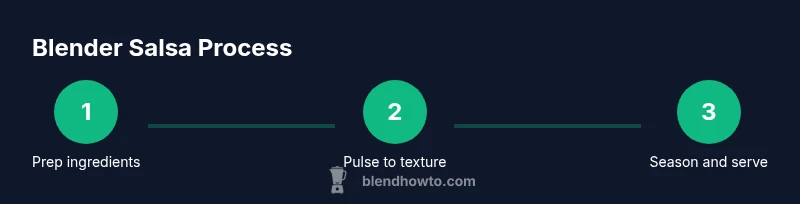
Make a vibrant blender salsa in minutes by pulsing ripe tomatoes, onion, cilantro, jalapeño, and lime until your preferred texture. This quick answer covers essential ingredients, blender settings for chunky vs smooth, and safety tips to avoid over-pureeing. It yields about 2 cups and stores well chilled for several days in a sealed container.
Why Blender Salsa Is a Smart Choice for Home Cooks
According to BlendHowTo, using a blender for salsa offers consistent texture, quick prep, and less mess, making it ideal for busy weeknights. A properly blended salsa preserves bright acidity from lime and cilantro while evenly distributing garlic, onion, and pepper heat. This section explores why the blender method can outperform traditional chopping, especially when you want a uniform base for chips, tacos, or grilled meats. It also covers safety considerations, such as keeping hands away from the blade and ensuring the lid is secure to prevent splatter. As you read, picture a flexible approach that can scale from a quick snack to a larger batch for entertaining, all while maintaining the fresh flavor balance that makes salsa so appealing.
BlendHowTo’s guidance emphasizes selecting ripened ingredients, balancing acidity, and avoiding over-processing, which can dull flavors. For home cooks, the blender offers a reliable way to hinge between a chunky pico de gallo and a smooth sauce, depending on the pulse duration and speed settings you choose. This dual capability makes the blender a versatile tool in any kitchen.
Core Ingredient Prep
Before blending, gather ingredients and prep them with care. Rinse produce under cool water, pat dry, and prepare a clean cutting surface. Dice tomatoes into rough chunks, mince onion, and roughly chop cilantro leaves. Remove seeds from jalapeño if you prefer a milder result, or leave seeds in for extra heat. Zest and juice a lime for brightness, then measure salt and any optional add-ins. Patience here pays off: uniform pieces help the blender achieve an even texture and consistent flavor distribution. A small bowl with pre-diced ingredients speeds up the blending step and reduces the chance of over-pulsing. If you’re new to blending, plan for a quick test pulse to gauge texture before committing to the entire batch.
Choosing Tomatoes and Other Produce
Tomatoes are the backbone of salsa, and tomato choice affects color, texture, and sweetness. Roma or plum tomatoes are excellent for blender salsa due to their lower moisture content, which helps prevent a soupy result. Fresh, vine-ripened tomatoes can also work if you seed and drain them lightly. Onion type matters, too; white onions bring crisp sharpness, while red onions add color. Cilantro should be washed, dried thoroughly, and roughly chopped to release aroma without turning the blend muddy. For heat, jalapeño or serrano peppers provide brightness and kick; removing seeds reduces heat, while leaving seeds raises the intensity. Lime juice adds acidity and balance, so measure and taste as you go. Salt is the final seasoning to harmonize flavors.
Blending Techniques: Chunky vs Smooth
Texture is a personal preference, and the blender lets you dial it in. For chunky salsa, pulse 4–6 times in short bursts, allowing larger tomato pieces to remain. For a smoother, sauce-like finish, blend in 8–12 short bursts or run at a low speed for longer. If you want a middle ground, blend until you reach a softly blended texture with visible flecks of tomato and herbs. Always pulse rather than holding the blender on high; this helps control heat from the blades and prevents over-processing. A quick stop-and-check after every few pulses ensures you don’t go past your preferred texture. Remember, rest periods allow flavors to settle and meld more effectively.
Flavor Building: Herbs, Heat, and Acidity
Herbs and citrus are the soul of salsa. Cilantro should be added toward the end of blending to preserve its fresh aroma. Add lime juice gradually, tasting after each addition to avoid over-acidifying the mix. If you enjoy a touch of sweetness, consider adding a small diced mango or a pinch of sugar, but do so sparingly. For heat, jalapeño seeds contribute the most bite, while removing them softens the heat significantly. Salt brings out the flavors of all ingredients; add in small increments, tasting as you go. If you’re using canned tomatoes or tomato juice from fresh produce, you may need less salt and more lime to balance flavors.
Texture and Safety: Handling and Storage
Preserving texture while avoiding watery salsa is a common challenge. If the mixture seems watery, drain a portion of the tomato juice or blend with a bread crust or a small piece of avocado to absorb excess moisture. Immediate consumption is ideal, but salsa can be refrigerated in an airtight container for a few days. Always use a clean spoon to portion out what you need to minimize contamination. When storing, label with date and contents to track freshness. If you notice off smells or a slimy surface, discard and prepare a fresh batch. Safety first keeps flavors at their best.
Variations and Customizations
Feel free to customize your blender salsa with add-ins that fit your menu. Try diced mango or pineapple for a tropical twist, or add corn kernels for a pop of sweetness and texture. For a smoky profile, blend in a small roasted pepper or a pinch of smoked paprika. If you prefer a more robust garlic presence, add a small clove minced finely. You can also experiment with cilantro substitutions such as parsley in a pinch, though cilantro is traditional for a bright herbal note. The blender’s flexibility makes it easy to tailor salsa to dip, topping, or a marinade.
Serving Ideas and Pairings
Salsa made in a blender pairs beautifully with tortilla chips, grilled fish, or carne asada. It can top tacos, fajitas, or burrito bowls for a fresh, vibrant kick. For a quick meal, spoon blender salsa over eggs or roasted vegetables to brighten the plate. If you’re hosting, offer a small bowl of salsa alongside a plate of sliced cucumbers, radishes, and avocado for dipping variety. Fresh salsa also makes a bright, acidic note in marinades for chicken or pork. Keep a lime wedge on the side for guests who want extra brightness.
Troubleshooting Common Issues
If your blender salsa tastes flat, re-balance with additional lime juice and salt, and consider a touch of sugar or honey to round acidity. A too-sour batch can be tempered with a few dashes of olive oil or a tiny amount of diced tomato to mellow the bite. If you end up with a paste, reduce blending time and pulse in shorter bursts, then stir in fresh chopped cilantro and a splash of water or tomato juice to restore texture. Watery salsa can be solved by draining excess liquid or letting the blend rest so flavors unify.
Equipment Care and Cleaning After Blending
After blending, rinse the blender jar with warm water to remove residue. For stubborn bits, fill with warm water and a drop of dish soap, then run briefly to loosen debris. Avoid soaking the blade directly; remove it carefully and dry all parts completely to prevent rust. If you used spicy peppers, wash hands thoroughly and avoid touching your face. Store the cleaned tools in a dry, sanitary area to prevent contamination before your next blending project.
Batch Size and Meal-Prep Tips
If you’re planning for a party or meal prep, scale the batch accordingly with the same ingredient ratios. A larger batch can be blended in stages if your blender struggles with volume; blend in batches and mix the results together for uniformity. For late-night snacking, portion salsa into small airtight containers for grab-and-go dips. Keeping salsa cold preserves flavor and texture; avoid leaving it at room temperature for extended periods to prevent bacterial growth.
Final Pro Tips and Next Steps
To achieve consistently bright salsa, use high-quality, ripe produce and chill your ingredients before blending to reduce particle warmth that dulls flavors. Start with smaller lime juice additions and increase gradually to taste, then finish with a pinch of salt. If you’d like a milder version, blend the tomatoes and peppers first, then fold in chopped cilantro and lime by hand for a fresh finish. Experiment with textures and add-ins to discover your signature blender salsa.
Tools & Materials
- blender (6-cup or larger)(Pulse in short bursts for control; ensure blades are sharp and clean)
- ripe tomatoes ( Roma or vine-ripened )(Seeded optional; dice into medium chunks)
- white onion(Small to medium; roughly diced)
- cilantro(Wash, dry, and roughly chop)
- jalapeño or serrano pepper(Remove seeds for milder heat; wear gloves)
- lime(Juice and zest optional; adjust to taste)
- salt(Add in small increments and taste as you go)
- optional add-ins(Mango, corn, or avocado for variations)
Steps
Estimated time: 15-25 minutes
- 1
Gather ingredients and prep
Wash produce, pat dry, and prep all ingredients. Dice tomatoes and onions; roughly chop cilantro; seed jalapeño if desired. Have lime juice ready. This step ensures a smooth blending process and predictable texture.
Tip: Mise en place speeds up blending and helps you adjust texture confidently. - 2
Measure and ready blender
Place prepared ingredients in the blender jar in batches if needed. Keep lime juice and salt separate until you taste after the initial pulse. Close the lid securely before starting.
Tip: A secured lid prevents splatter and ensures consistent texture. - 3
Pulse tomatoes and aromatics
Pulse in short bursts to a coarse or chunky texture, depending on your preference. Check texture after every few pulses to avoid over-processing. Stop when tomato pieces are evenly distributed with onion and cilantro.
Tip: Pause between pulses to prevent heat buildup and preserve fresh flavors. - 4
Add cilantro and jalapeño
Add cilantro and jalapeño, then pulse briefly to incorporate without turning everything into a paste. If you want more brightness, add fresh lime juice at this stage and re-pulse.
Tip: Pulse in short bursts to keep the herbal aroma intact. - 5
Season and adjust acidity
Sprinkle salt in small portions and add lime juice gradually, tasting as you go. Adjust heat by adding more jalapeño or leaving seeds out. Aim for a balanced tang, brightness, and mild heat.
Tip: Taste before serving to ensure balance; acids can seem stronger after resting. - 6
Chill and marry flavors
Transfer salsa to a bowl and refrigerate for at least 15–30 minutes before serving. Chilling helps flavors meld and deepen the overall taste. If the batch is too thick, stir in a teaspoon of tomato juice or water.
Tip: Cooling enhances brightness and improves mouthfeel. - 7
Serve or store
Serve fresh with tortilla chips, tacos, or grilled proteins. For storage, transfer to an airtight container and refrigerate up to several days. Label with date to keep track of freshness.
Tip: Keep a small amount of lime on the side for a quick brightness boost at serving.
Frequently Asked Questions
Can I use canned tomatoes for blender salsa?
Yes, canned tomatoes can work. Drain well and choose low-sodium brands to avoid excess salt. Adjust lime and salt to taste after blending.
Yes, canned tomatoes can work, but drain them well and taste after blending to adjust the seasoning.
How long does blender salsa last in the fridge?
Typically 3–4 days when stored in an airtight container in the refrigerator. Always check for off smells or changes in texture before consuming.
It usually lasts three to four days in the fridge; discard if you notice any off smells.
Can I freeze blender salsa?
You can freeze salsa, but texture may change upon thawing. Thaw slowly in the fridge and stir well before serving.
You can freeze salsa, but expect some texture changes; thaw in the fridge and mix well.
How do I adjust heat level without changing texture?
Add jalapeño seeds gradually or mix in milder peppers. You can also add more lime to brighten without increasing heat.
Increase heat by adding seeds gradually or use hotter peppers; brighten with lime if needed.
Can I make salsa without onion or cilantro?
Yes. You can omit onion or cilantro, but you may want to compensate with more lime, garlic, or green pepper for flavor and aroma.
Yes, you can skip onion or cilantro; adjust with lime and garlic for brightness.
What if my salsa is too watery?
Drain excess liquid from the tomato juice before blending, or blend fewer tomatoes. You can also use a paper towel to blot some moisture.
If watery, drain liquid or blend fewer tomatoes; you can blot moisture if needed.
Watch Video
What to Remember
- Blend ingredients quickly for bright, fresh salsa
- Control texture with pulsing duration
- Balance heat with lime and salt gradually
- Chill before serving to meld flavors
- Store in an airtight container for several days