How to Make Salsa in a Blender: A Practical Guide
Learn how to make salsa in a blender with a quick, practical guide. Explore textures, essential ingredients, safety, and storage so you can serve vibrant, fresh salsa with chips, tacos, or bowls.


With a blender, you can whip up fresh salsa in minutes by pulsing tomatoes, onions, cilantro, jalapeño, and lime until you reach your preferred texture. Start with chopped produce, pulse in short bursts, then adjust heat and salt to taste. This method yields bright flavors and easy texture control, ideal for chips or tacos. No stovetop required.
What is salsa in a blender and when to use it
Salsa in a blender is a quick way to produce a fresh, bright salsa without lengthy chopping. According to BlendHowTo, this method shines when you need a party-ready dip fast or want to adjust texture on the fly. It's ideal for chips, tacos, or topping grilled meats. For best results, choose ripe, juicy tomatoes and bright cilantro, then tailor heat with jalapeños. Blend to your preferred coarseness, from chunky to smooth, and finish with lime juice, salt, and optional garlic. This approach preserves fresh flavors while simplifying cleanup, making it a reliable staple in both home kitchens and creative cooking experiments. Blending also reduces prep time, which is valuable for weeknight meals or backyard gatherings. It’s worth noting that a blender can help you regulate texture precisely, so you get the exact dip you crave, whether you want a rustic pico or a sleek sauce for burritos.
Safety and equipment basics
Safety and proper equipment are essential when making salsa in a blender. Always start with a clean, dry blender and a lid that seals tightly to prevent splatter. Wear gloves when handling hot peppers or seeds, and wash hands thoroughly after handling peppers to avoid eye irritation. Use a blender with a sturdy motor and a blade that can handle fibrous produce; if your blender is small or older, blend in batches to avoid overfilling or overheating. For best results, cut produce into uniform chunks (roughly 1/2-to-1-inch) so they blend evenly. Don’t forget to unplug the appliance before removing the lid or cleaning the blades. Keeping the kitchen workstation organized reduces spill risks and speeds up the process, especially during party prep.
Ingredients and texture outcomes
The texture you achieve with salsa in a blender depends on the blend time and the ratio of ingredients. A classic blend uses ripe tomatoes, white onion, cilantro, jalapeño, lime juice, and salt. If you prefer a chunkier salsa, add ingredients gradually and pulse in short bursts, stopping to check texture. For a smooth salsa, blend longer and scrape down the sides midway. The flavor balance comes from the brightness of lime and the herbaceous note from cilantro; you can add a touch of garlic or a pinch of cumin for depth. Fresh produce brings vibrant color and aroma, while canned tomatoes can be a convenient substitute when tomatoes aren’t in season. Always taste and adjust seasoning after blending, because lime juice and salt can mellow quickly as flavors mingle.
Flavor boosters and texture control
Beyond the basic ingredients, you can tailor salsa to your preference with a few simple boosters. Add minced garlic for a sharper bite, a pinch of sugar or honey if the tomatoes are overly tart, or a splash of olive oil for a smoother mouthfeel. If heat is a concern, remove the seeds from jalapeños or use a milder pepper variety. Citrus zest in addition to juice can brighten the flavor, while chopped tomatillos can add a tangy twist. Salt is the primary flavor enhancer, so season gradually and taste as you go. Remember, a blender can quickly turn a rustic mix into a sauce, so balance is key to maintain the salsa’s personality while ensuring it stays bright and fresh.
Texture variation by blender settings
Texture is controlled by pulse duration, blade speed, and ingredient order. For chunky salsa, pulse in 1-second bursts and keep some tomato chunks intact. For medium texture, pulse 2–3 seconds and scrape the sides to reincorporate larger pieces. For smooth salsa, run the blender in short high-speed bursts until uniform. The order of ingredients also matters; placing juicier components like tomatoes and lime at the bottom can help the blades grab everything evenly. If your blender runs hot, stop blending and let the motor rest for 15–30 seconds before continuing; this prevents overheating and preserves flavor. A splash of cold water or ice can help when your mixture is too thick, but use sparingly to avoid diluting flavor.
How to store salsa and safety tips
Store blender-made salsa in an airtight container in the refrigerator. Fresh salsa tastes best within a couple of days; after that, flavor depth may wane and texture can become watery if not drained before serving. If you notice excess liquid (especially from tomatoes), pour it off or whisk it back in after a quick chill. For longer storage, you can freeze salsa, but the texture may change and some ingredients may separate upon thawing. Always label containers with the date and use your instincts about safety; if it smells off or looks suspicious, discard it. When serving, use clean utensils to prevent contamination and maintain the salsa’s freshness.
Troubleshooting common issues
If your salsa tastes flat, add a pinch more salt, lime juice, or a cilantro hit to revive brightness. Watery salsa is usually caused by overripe tomatoes or excessive blending; drain excess liquid or blend fewer seconds to preserve structure. If the color looks dull, a splash more lime juice or a few cilantro leaves can boost vibrancy. If the heat is inconsistent, seed jalapeños for a milder version or add a tiny piece of fresh pepper to re-balance. Finally, if you’re using canned tomatoes, drain them well to avoid extra liquid and flavor dilution. By adjusting pulses, ingredients, and seasoning, you can troubleshoot most common issues without starting over.
Serving ideas and quick pairing suggestions
Salsa made in a blender is versatile and pairs with chips, tacos, burritos, grilled fish, or roasted vegetables. For a party spread, serve with cilantro leaves and lime wedges for bright aroma and color. You can also use blender salsa as a topping for nachos, eggs, or baked potatoes to add zing. If you want a more robust dip, fold in diced avocado or a spoonful of crema for a creamy texture. For a fresh twist, try blending in a roasted pepper for smoky notes or adding a splash of mango or pineapple for a sweet-tinish balance. The key is to taste and adjust so the salsa enhances your dish rather than overpowering it.
Tools & Materials
- blender (8-cup capacity or larger)(Pulse function; tall blades reduce overflow)
- sharp chef's knife(6-inch or longer; keep blade sharp)
- cutting board(Non-slip surface; use one for produce only)
- spoon/spatula(For scraping sides and mixing)
- mixing bowl(Large enough to hold chopped ingredients)
- measuring cups/spoons(Optional for precise lime juice and salt)
- storage container with lid(Airtight for refrigeration or freezing)
- ripe tomatoes(2-3 medium; chopped)
- white onion(1/4 to 1/2 cup finely chopped)
- cilantro(A handful, chopped)
- jalapeño peppers(1-2; seeds removed for milder heat)
- limes(Juice and zest (optional))
- salt(To taste)
- garlic (optional)(Minced)
- ground cumin (optional)(Small pinch for depth)
Steps
Estimated time: 10-15 minutes
- 1
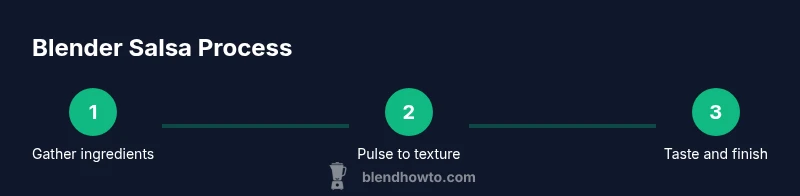
Assemble ingredients and gear
Gather all produce and equipment. Ensure the blender is clean and the lid fits securely. Organize items within easy reach to streamline the workflow.
Tip: Lay out a mise en place with tomatoes, onion, cilantro, jalapeño, lime, salt, and optional additives. - 2
Prep produce and safety prep
Rinse all produce. Remove stems from peppers and chop tomatoes and onions into uniform chunks. If handling peppers, wear gloves and avoid touching your face.
Tip: Chop to roughly 1/2–1 inch pieces for consistent blending. - 3
Halve jalapeño seeds (optional)
For a milder salsa, halve the jalapeños and remove seeds. For more heat, leave seeds in or add additional pepper after blending.
Tip: Taste a tiny piece of pepper first to judge heat level. - 4
Add ingredients to blender in order
Place tomatoes and onions at the bottom, then add cilantro, jalapeño, and lime juice. Sprinkle salt on top to begin flavor development.
Tip: Putting juicy components at the bottom helps blades grab everything sooner. - 5
Pulse to texture
Pulse in short bursts (1–3 seconds) until the mixture reaches your desired texture. Scrape sides between pulses for even blending.
Tip: If you need chunks, stop early; for smooth, run a bit longer. - 6
Taste and adjust seasoning
Taste the salsa and adjust lime juice, salt, or heat as needed. Remember that flavors intensify slightly as the salsa rests.
Tip: Add salt and lime gradually to avoid over-seasoning. - 7
Optional chill to meld flavors
Refrigerate for 10–30 minutes to allow flavors to meld. This step is optional but enhances brightness and balance.
Tip: A short chill helps crisp, vibrant results without losing fresh character. - 8
Serve or store salsa
Transfer to a serving dish or airtight container. Serve immediately or refrigerate for later use.
Tip: Label with date; use lids that seal tightly to prevent leakage. - 9
Clean blender promptly
Rinse the blender with warm water and a drop of dish soap. Disassemble blades carefully and dry thoroughly to prevent corrosion.
Tip: Immediate cleaning avoids dried-on residue and odors.
Frequently Asked Questions
Can I make salsa in a blender if I don’t have a food processor?
Yes, a blender works well for salsa. Use pulse mode and scrape the sides to ensure even blending. In batches, you can achieve similar results to a processor.
Yes, you can; just use the pulse method and scrape the sides as you go.
What texture can I expect from blending salsa in a blender?
Textures range from chunky to smooth depending on pulse length and ingredient size. Stop early for chunks, blend longer for a sauce-like finish.
You can go from chunky to smooth depending on how long you blend.
How do I reduce heat if the salsa is too spicy?
Seed jalapeños to reduce heat, or use milder peppers. You can also balance with extra lime juice and a touch of sugar to mellow the bite.
Seed the peppers or choose milder peppers to lower heat.
How long does salsa last in the fridge?
Store in an airtight container and use within a few days for best flavor. Drain excess liquid if it separates before serving.
Keep it in the fridge in an airtight container and use within a few days.
Can I use roasted tomatoes or charred peppers?
Yes, roasted tomatoes or charred peppers add depth and smoky aroma. They also affect texture, so blend accordingly to keep your desired consistency.
Roasted tomatoes add a smoky depth; blend to your preferred texture.
Should I remove seeds from tomatoes?
Removing tomato seeds is optional. They can add bitterness or affect texture for very smooth salsas; remove if you want a cleaner sauce.
You can remove tomato seeds if you want a cleaner, smoother salsa.
Watch Video
What to Remember
- Pulse in bursts to control texture
- Taste and balance lime and salt
- Use fresh produce for brightness
- Chill briefly to meld flavors
- Store in airtight container for freshness