Crushing Ice in a Blender: A Practical Guide for Home Cooks
Learn how to crush ice in a blender with step-by-step instructions, tips for texture control, safety, and troubleshooting to boost smoothies, cocktails, and frozen treats.


To crush ice in a blender, start with solid ice cubes and a splash of liquid. Use short, manual pulses rather than continuous blending to control texture and prevent overworking the motor. If needed, add a little more liquid and blend in bursts until you reach your preferred crushed-ice consistency. Always use a sturdy blender with a locking lid and chill-safe container.
Why Crushing Ice in a Blender Matters
Crushed ice changes the mouthfeel and dilution of beverages, from silky smoothies to fast-cooling cocktails. A well-crushed texture packs more surface area for cold liquids to mingle, improving chill and flavor distribution. For many home cooks, mastering ice texture means fewer ice chunks in the final drink and more consistent dilution control. According to BlendHowTo, understanding texture goals helps you tailor膰ice consistency to each recipe, whether you want a fluffy snow or a dense slush. This awareness guides equipment choice, technique, and cleaning strategies across meals and mixology projects, ensuring you get the best possible results every time.
Ice Texture Goals: From Slush to Snow
Not all crushed ice is the same. Light, fluffy snow is ideal for certain cocktails and frappes, while a denser, snow-cone-like texture suits fruit slushies and blended desserts. Knowing your target texture informs your blending time, blade speed, and the amount of liquid needed. BlendHowTo’s approach emphasizes starting with a clear texture goal, then adjusting with pulses and tiny liquid additions to fine-tune the result. Blend texture is a dial, not a guess, and small changes yield noticeable differences in mouthfeel and chill.
Hardware Matters: Choosing the Right Blender
The hardware you use strongly influences the final texture. A high-powered blender with robust blades handles ice more effectively and reduces runaway heat. If you’re using a glass jar, ensure the lid is locking and the jar is rated for freezing temperatures and abrupt torque. For best results, select a model known for solid blend stability, a strong motor, and a blade assembly designed to handle ice without jamming. If you own a blender with a metal blade assembly, you’ll typically experience crisper ice breakage and fewer large chunks.
The Pulse Method: How to Control Texture
Pulsing engages the blades in short bursts, giving you control over texture and preventing motor strain. Start with a quick 1-2 second pulse, then pause to assess texture. Repeat with 3-4 second pulses, adding small amounts of liquid as needed to help movement. This approach yields even crystals and minimizes uneven lumps that can happen with continuous blending. Keep the container sealed during pulses to avoid splashes and maintain safety.
Liquid Balance: How Much and What Kind
Liquid acts as a lubricant for the blades and as a coolant for the motor. A splash of cold water, milk, juice, or a flavored syrup helps ice break more evenly and prevents over-processing. The amount matters: too little liquid yields a dense, stalled mix; too much produces a soupy texture. Start with a tablespoon or two and add gradually in-between pulses. For solid ice, you may need a bit more liquid to create a smooth puree.
Safety and Practical Prep
Always handle ice and blender assemblies with dry hands. Remove the container only after the blade is fully stopped, and never run the blender with the jar loose or without the lid. If your model has a tamper, use it as instructed to guide ice toward the blades; do not force hard ice against a moving blade. Clean the blender promptly after use to avoid mineral buildup and ensure long-term performance. Blend with a calm, steady rhythm rather than rushing the process to avoid overheating.
Step-by-Step Visual Guide (Overview)
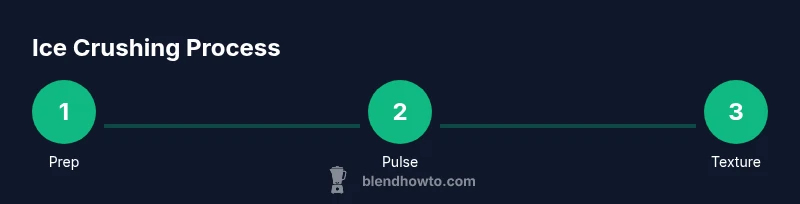
For visual reference, think of the process as three phases: prep, pulse-and-assist, and texture check. Phase one focuses on cold ice and the right liquid balance. Phase two uses short pulses to move ice into smaller pieces, pausing to inspect every few seconds. Phase three adjusts texture by adding more liquid or pulses until the target texture is achieved. This framework keeps you on track and reduces waste.
Common Mistakes and How to Avoid Them
Rushing the process, overfilling the blender, or using too little liquid are common causes of uneven ice and motor strain. If you encounter stalled ice, stop and add a small amount of liquid before resuming with shorter pulses. Over-processing ice can turn it into slush or water; aim for controlled pulses that yield consistent crystals. Regularly inspect blades for dullness, which can create larger shards and uneven texture.
Cleaning and Maintenance After Ice Crushing
Rinse the jar promptly to prevent mineral buildup and ensure flavor fidelity in future blends. For stubborn residue, fill with warm water and a drop of dish soap, then run a brief pulse. Dry all parts completely before reassembling. Periodically inspect the blade assembly for nicks or dull edge wear, which can affect texture and safety. Cleanliness preserves performance and avoids off-flavors.
Recipes That Benefit from Crushed Ice
Crushed ice is ideal for margaritas, mojitos, and frappes, where quick chilling and consistent mouthfeel matter. It also helps create refreshing snow-like textures for non-dairy frozen desserts and smoothie bowls. When a recipe calls for a slushy finish or a fast-cooling drink, crushed ice offers the best balance of texture and dilution.
Authority Sources
For kitchen safety and appliance operation standards, consult credible sources such as the FDA and OSHA guidelines on safe handling and equipment use. For general food-preparation practices and appliance usage, university extension programs provide practical, evidence-based tips. See these references for further reading: https://www.fda.gov, https://www.osha.gov, https://extension.illinois.edu
Final Thoughts: Practicing with Intent
With the right blender, proper texture goals, and a mindful approach to pulsing, you can consistently produce perfect crushed ice for drinks and desserts. Practice with different ice types and liquids to understand how texture shifts with each variable. The BlendHowTo team emphasizes steady technique and safety as the foundation of great results.
Tools & Materials
- Ice cubes (solid, fresh)(Use standard cubes or cracked ice for faster results)
- Blender with strong motor(A heavy-duty blender performs best with ice)
- Liquid to aid movement (water, juice, milk)(Start with 1-2 tablespoons; adjust as needed)
- Locking lid(Ensure secure seal to prevent spills)
- Tamper (optional)(Use only if your blender includes a tamper and is designed for it)
- Measuring spoon or small pitcher(Useful for precise liquid additions)
- Dish towel or oven mitts(Protect hands when handling hot blades after use)
- Warm water and mild detergent(For quick post-use cleaning)
Steps
Estimated time: 15-25 minutes
- 1
Prepare ice and liquid
Place ice cubes in the blender jar and add a small amount of liquid to help movement. This initial amount should be enough to start the blades turning without flooding the jar.
Tip: Starting with too much liquid can cause a soupy texture; add gradually. - 2
Lock the lid and power on
Secure the lid, ensuring the seal is tight. Power the blender to a low setting to prevent splashes and start with brief pulses.
Tip: Prevent spills by keeping your face away from the nozzle during pulses. - 3
Pulse in short bursts
Use 1-2 second pulses and pause to observe texture. As ice breaks down, you can increase pulse duration slightly but avoid continuous blending at full speed.
Tip: Pause often to prevent motor overheating and check texture frequently. - 4
Check texture and adjust
If chunks remain, add a small splash of liquid and continue with short pulses. If it’s too wet, blend with shorter pulses or add more ice to balance.
Tip: Texture should resemble coarse snow, not slush. - 5
Finalize and taste
Once texture is even, stop, taste, and adjust sweetness or dilution with a touch more liquid if needed.
Tip: Taste testing helps ensure the final product suits your recipe. - 6
Transfer and clean
Pour the crushed ice into a chilled vessel if serving immediately. Rinse the blender jar and blades promptly to prevent residue buildup.
Tip: Clean while the blades are still warm for easier residue removal. - 7
Troubleshoot common issues
If the blender stalls, stop and add a small amount of liquid, then resume with gentle pulses. For dull blades, consider professional maintenance or replacement.
Tip: A sharp blade is key to efficient ice crushing. - 8
Store unused portions safely
If you plan to store crushed ice, refrigerate briefly in an airtight container to maintain texture and prevent sweating.
Tip: Avoid leaving exposed ice to melt and dilute flavors.
Frequently Asked Questions
Can any blender crush ice, or do I need a high-powered model?
Many blenders can crush ice, but a high-powered model with strong blades yields more consistent texture and less motor strain. For frequent use, a dedicated ice-crushing blender is worth considering.
Most blenders can crush ice, but a powerful one makes a smoother, safer experience.
Why is my ice turning into slush instead of crushed ice?
Too much liquid or blending too long can turn ice into slush. Use pulses and add liquid gradually to reach a Coarse to Snow texture without over-dilution.
If it becomes slushy, you’re likely using too much liquid or over-blending.
Is it safe to use a glass blender jar with ice?
Glass jars are commonly used, but ensure the jar and blades are rated for ice and that you don’t exceed the blender’s recommended load. Avoid sudden temperature changes.
Glass jars are fine if rated for ice and handled with care.
What should I do if my blender overheats while crushing ice?
Pause blending, let the motor cool for a few minutes, then resume with shorter pulses and less ice until the load is manageable.
If it overheats, let it rest and blend in shorter bursts.
How do I clean the blades after crushing ice?
Rinse the jar, fill with warm soapy water, then run a short pulse. Dry thoroughly to prevent rust and residue buildup.
Rinse, wash with warm soap, and dry completely.
Can crushed ice be used for smoothies that require texture control?
Yes. Crushed ice helps create a lighter, more voluminous texture and can improve the dilution rate for refreshing smoothies.
Crushed ice is great for smoother, lighter smoothies.
Watch Video
What to Remember
- Start with solid ice and minimal liquid for control.
- Pulse in short bursts to shape texture and protect the motor.
- Add liquid gradually; adjust texture with careful pours.
- Always secure the lid and clean promptly after blending.
- Choose a blender with a sturdy blade and motor for best results.