Smoothie Bowls with a Blender: Practical Guide
Learn to craft thick, spoonable smoothie bowls using a blender. This educational guide covers bases, textures, flavor pairings, toppings, and a step-by-step method to create vibrant, nutritious bowls at home.


You will learn how to craft thick, spoonable smoothie bowls using a blender. The guide covers ingredient selection, texture targets, freezing tips, and topping ideas, plus a clear step-by-step method and safety tips to avoid overheating or over-blending. By the end you’ll be able to customize flavors and achieve restaurant-quality bowls at home.
Why a blender is ideal for smoothie bowls
A blender is the cornerstone tool for smoothie bowls because it delivers consistent texture from thick to ultra-smooth blends, especially when you use frozen fruit. A high-powered blender can break down ice crystals and leafy greens evenly, creating a velvety base that clings to a spoon rather than pooling at the edges. For home cooks aiming for a restaurant-like presentation, the blender’s blade design and motor speed control how finely your ingredients break down and how long you can blend without overheating. In the context of smoothie bowls blender, the goal is to achieve a spoonable consistency that supports toppings and adds a satisfying bite. The BlendHowTo team notes that choosing a blender with steady power often yields the most reliable texture across flavors and dietary needs.
Tip: Start with a plan for texture before you begin. If you want a very thick bowl, reserve most of the liquid until you’ve blended the solid portions to a tight, paste-like consistency. If you prefer a drinkable base, add liquid gradually and blend longer. A key advantage of a blender is its ability to handle frozen fruit without needing an ice bath, so you can skip watered-down flavors and maintain nutrition.
Ingredients: base, flavor, and nutrition
The foundation of a great smoothie bowl is a well-balanced base. Common bases include yogurt (dairy or plant-based), milk or non-dairy alternatives, and frozen fruit as a main thickener. For flavor, you can add bananas, berries, mango, spinach, or greens, plus a splash of vanilla, cocoa, or spices like cinnamon. Nutrition-wise, aim for a mix that provides protein, fiber, and healthy fats, such as yogurt with a scoop of nut butter or chia seeds. Frozen fruit is a big helper for texture and temperature, while a small amount of liquid (water, dairy-free milk, or juice) helps achieve the correct viscosity without thinning the base too much. The key is to adjust ratio by feel rather than exact measurements—start with a thicker foundation and loosen as needed to reach your target spoonable consistency.
Note: If you’re working with fresh fruit, freezing a portion first can dramatically improve texture. This is especially true for bowls that will sit in the fridge for a short time before serving.
Equipment and setup for a smooth bowl
A reliable setup minimizes prep time and maximizes texture control. Use a blender with a sharp blade and a sturdy pitcher, a spatula to help scrape the sides, and a wide, shallow serving bowl to showcase the toppings. Position ingredients in the blender in the order of density: start with liquids, then soft fruits, then hard frozen chunks. A tamper can help you push ingredients toward the blades in high-powered models; if your blender lacks one, stop blending briefly to scrape the sides and then resume. Keeping the blender on a flat, stable surface reduces noise and improves safety. A clean, dry workspace helps prevent accidental slips during operation. Remember to choose a blender that suits your typical batch size—larger batches require larger pitcher volumes and stronger motors.
Pro-tip: Before you start, measure out liquids and solids so you can blend without interruption. This saves time and reduces the chance of over-blending when you recheck texture.
Texture science: achieving that spoonable thickness
Texture is the defining characteristic of a smoothie bowl. A thick, spoonable base should hold its shape on the surface of the bowl while still offering a smooth mouthfeel. This texture comes from a higher proportion of frozen fruit and a small amount of liquid. Over-blending introduces air, making the bowl lighter and more like a smoothie, which can undermine the intended spoonability. Conversely, under-blending leaves grainy bits or chunks, which feel inconsistent. A practical approach is to blend until you see a glossy, uniform consistency, then pause to check thickness by lifting a spoon. If it drips slowly and holds its form, you’ve hit the target. If it’s too stiff, add a teaspoon of liquid at a time and blend briefly until smooth again.
Texture also interacts with temperature. If you want a cold, firm bowl, blend with mostly frozen ingredients and chill just briefly before serving. Avoid adding hot liquids, which can melt the base and thin texture quickly.
Step-by-step guide: making a base bowl
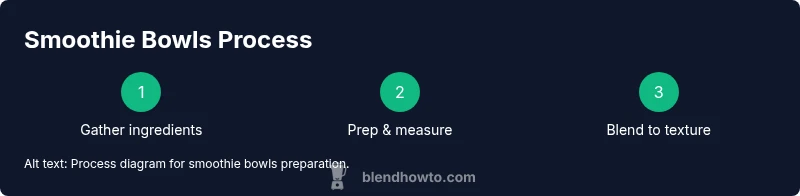
This section offers a practical path to a complete base bowl, suitable for experimentation and customization. Gather all ingredients first, then follow the sequence: put liquids in the blender, add frozen fruit and soft fruit, and blend in pulses. Stop when the mixture looks glossy and holds its shape on a spoon. Taste and adjust sweetness with a non-sugary flavoring such as vanilla or a pinch of salt to balance flavors. If you want extra protein, blend in a spoonful of nut butter or Greek yogurt. Transfer to a bowl, then proceed to toppings. This approach emphasizes control and repeatability so you can recreate your favorites.
Note: If your blend seems dry, add a teaspoon of milk or water at a time. If it’s too thin, add a few frozen fruit chunks and blend briefly.
Flavor ideas and mix-ins
The flavor potential is almost endless. Classic combos include strawberry-banana with a dollop of yogurt for tang, mango-pineapple for tropical brightness, or mixed berry with cocoa for a chocolatey contrast. For green bowls, blend spinach or kale with avocado for creaminess without compromising color or flavor. For protein-forward bowls, consider Greek yogurt, silken tofu, or a scoop of protein powder. For a spiced kick, add cinnamon, cardamom, or a pinch of chili powder for a subtle heat. If you enjoy dessert-like flavors, swirl in a bit of peanut butter or almond butter and a sprinkle of cacao nibs.
Experiment with textures by adding crunchy mix-ins such as granola, chia seeds, or toasted coconut. The right combination of flavors and textures makes each bowl a unique treat.
Toppings and presentation for Instagram-worthy bowls
Toppings not only add texture and nutrition but also visual appeal. Color contrast is key: combine berries, kiwi, mango, and banana slices with a few edible flowers or microgreens for a vibrant palette. Use a mix of textures—crunchy nuts, chewy seeds, and creamy swirls of nut butter—to keep every bite interesting. Arrange toppings in a deliberate, symmetrical pattern or in concentric circles for a restaurant-style look. A light drizzle of honey or nut butter can finish the presentation while tying flavors together. Serving bowls with wide rims help showcase the colorful layers and toppings, inviting interest from photos and friends alike.
Health, safety, and clean-up tips
Always wash ingredients before blending to reduce bacteria exposure and improve taste. After blending, rinse the pitcher promptly to prevent staining from fruit pigments. If you’re using dairy or dairy alternatives, rinse with warm water to prevent residue build-up. Avoid blending hot liquids since steam can cause pressure buildup; if you need warmth, heat ingredients separately and add them after blending the base. For safety, keep hands away from the blades, use the tamper only when the blender is off, and unplug the unit before scraping or cleaning. A quick post-blend rinse with a mild soap is usually enough to prevent staining and odor.
A quick tip for busy mornings: pre-portion frozen fruit and keep toppings in separate containers for a fast, beautiful bowl every day.
Troubleshooting common issues
If your bowl is too thick, add liquid gradually and blend in short bursts. If it’s too thin, add more frozen fruit or a small amount of yogurt to thicken without sacrificing flavor. For a gritty texture, blend longer in short pulses and scrape down the sides. If you notice separation or an aftertaste from poorly rinsed blades, clean the pitcher promptly and re-blend with fresh ingredients. If your blender struggles with frozen fruit, consider pre-chopping into smaller pieces or using a slightly thawed block to reduce resistance. Finally, ensure your blades are sharp and your blender’s motor is not overheating; allow a brief rest between long blending sessions to protect the motor.
Tools & Materials
- Blender with pitcher(Powerful model preferred for smooth results (at least 700W).)
- Measuring cups/spoons(For consistent portions (1 cup, 1 tbsp, etc.).)
- Spatula or tamper(Helps scrape sides; optional for non-tamper blenders.)
- Mixing bowls(Stable bowls for serving and blending support.)
- Milk or dairy-free liquid(Choose unsweetened varieties to control sweetness.)
- Frozen fruit and/or fresh fruit(Frozen fruit yields thicker texture; prep fruit as needed.)
- Optional toppings(Granola, seeds, nut butter, fresh fruit for texture and nutrition.)
Steps
Estimated time: 25-40 minutes
- 1
Gather ingredients and equipment
Collect all base ingredients, liquids, fruits, and toppings. Set out bowls and the blender on a stable surface. This upfront organization saves time and reduces mistakes during blending.
Tip: Lay out bowls in a row to streamlined timing. - 2
Prep fruits and liquids
Wash fruits, peel or slice as needed, and measure liquids. If using greens, chop roughly to help the blender process them evenly.
Tip: Pre-portion frozen fruit into bags for quick use. - 3
Add liquids and solids to the blender
Pour liquids into the blender first, then add frozen and fresh fruits. The order helps blades engage immediately and reduces air pockets during blending.
Tip: Keep liquid small to maintain thickness and blend in bursts. - 4
Blend to target texture
Pulse and blend in short bursts until the base is glossy and thick. Stop before over-blending to avoid a soupy texture.
Tip: Scrape the sides mid-blend to ensure even texture. - 5
Assess and adjust thickness
If the mixture seems too thick, add a tiny amount of liquid and blend again. If it’s too thin, add a few more frozen fruit pieces or yogurt and blend briefly.
Tip: Aim for a spoonable consistency that holds its shape on the surface. - 6
Transfer to bowls and set
Scoop the base into serving bowls. If serving later, refrigerate briefly to firm up texture without losing color.
Tip: Rinse the blender right away to minimize pigment staining. - 7
Add toppings and serve
Arrange toppings with color and texture in mind. A well-curated topping lineup elevates flavor and makes photos pop.
Tip: Keep toppings separate until serving to maintain crunch.
Frequently Asked Questions
Can I use fresh fruit instead of frozen?
Yes. Fresh fruit can be used, but you may need to add a bit more frozen fruit or ice to reach the desired thickness. Frozen fruit naturally yields a colder, thicker base.
Yes, you can use fresh fruit. You might need a bit more frozen fruit to hit the same thick texture.
What texture should the base have?
A spoonable, thick texture that holds its shape on the surface is ideal. It should be glossy and smooth, with minimal chunks.
Aim for a thick, spoonable texture that holds its shape.
Can I make smoothie bowls ahead of time?
Yes, you can prep the base and toppings separately and assemble just before serving. Storing the base in the fridge for up to a day is possible, but texture may shift slightly.
Yes, you can prep ahead and assemble later, but texture may change slightly.
What toppings work best?
Granola, seeds, sliced fruit, and a drizzle of nut butter add crunch and flavor. Mix and match colors for visual appeal and balance nutrition.
Great toppings include granola, seeds, fruit, and nut butter.
Which blender settings are most reliable?
Pulse to break up chunks, then blend on medium or low speed until smooth. Pause to scrape the sides and avoid over-blending.
Pulse then blend, and scrape the sides for an even texture.
Watch Video
What to Remember
- Choose a thick base for spoonable bowls.
- Use frozen fruit to control texture and temperature.
- Blend in short bursts; scrape sides as needed.
- Top with crunchy textures for contrast and calories.