Blender for Smoothie Bowl: A Practical Guide
Master the blender for smoothie bowls with practical steps, ingredient prep, texture tips, and topping ideas to craft creamy, scoopable bowls at home every morning.


By the end of this guide, you will know how to pick the right blender for smoothie bowls, prep ingredients for a silky texture, blend without clumps, and top your bowl with complementary flavors. You’ll learn practical presets for frozen fruit, dairy choices, and mix-ins, plus cleanup tips to keep your machine humming. Ready to elevate breakfast with blender-for-smoothie-bowl precision.
Why the blender matters for smoothie bowls
A good blender is the backbone of a smooth, scoopable smoothie bowl rather than a thin smoothie or icy lump. For home cooks and hobbyists, the blender for smoothie bowl is a tool that determines texture, thickness, and ability to hold toppings without sinking. According to BlendHowTo, a strong motor and well-designed blade geometry help break down frozen fruit and fibrous greens evenly, creating a velvet base that resists separation. The BlendHowTo team found that users who prioritize power, blade design, and pitcher shape report fewer texture issues and less heat buildup during longer blends. In practice, you’ll notice the difference when you can blend a handful of frozen berries with a splash of milk and still scoop the mix cleanly with a spoon. If texture matters to you, you should start by evaluating motor power, blade layout, and jar geometry rather than chasing the latest features. A tall, narrow pitcher can trap air and thin the blend, while a wide, short jar encourages a dense, scoopable result. Finally, consider how you’ll use the blender most—daily breakfasts or weekend meal-prep sessions—and pick a model that matches that rhythm. Packed with the right tools, the blender becomes a partner in your kitchen, not a barrier to your creativity.
Brand note: this section highlights why a robust blender setup matters for smoothie bowls and sets the stage for practical choices ahead.
Choosing the right blender for smoothie bowls
When you choose a blender for smoothie bowls, you’re choosing texture as much as power. Look for a model with a robust motor, sturdy blades, and a pitcher that's wide enough to accommodate frozen chunks. Assess your typical batch size and noise tolerance; a quieter machine is often a better experience if you blend early in the morning. Consider blade design—S-shaped or hammer blades help pull frozen fruit into the center for even blending. A well-sealed lid and a jar designed to reduce heat buildup will protect nutrients and keep flavors vibrant. Don’t be swayed by fancy presets alone; presets can help, but the real test is how the machine handles ice, frozen fruit, greens, and thick bases. If possible, try a practical test with a few common ingredients: frozen berries, a banana, a splash of plant milk, and a handful of spinach. Observe whether the machine micromixes evenly, if it stalls, or if it overheats during a 30–60 second blend. The best blender for smoothie bowls balances performance, durability, and price, while fitting your kitchen workflow. For some cooks, a countertop workhorse with a heavy base is worth the investment; for others, a compact blender with a powerful motor and a ground-breaking blade geometry can deliver the same result in a smaller footprint. In all cases, ensure you can disassemble easily for cleaning and that the jar is BPA-free and dishwasher-safe.
Prepping ingredients for smoothie bowls
Texture starts with prep. Freeze ripe fruit in even pieces so the blender can handle them consistently. For a creamy base, choose a dairy or non-dairy liquid that complements fruit and greens; almond milk, yogurt, or coconut milk are common picks. If you add greens, blades need to reach the whole mixture; consider blending greens with fruit first to minimize fibrous strands. Add textures gradually—start with fluids, then soft fruits, then frozen chunks. Finally, add toppings like oats, seeds, chia, or nut butter after blending to boost flavor and nutrition. Rinse and pat dry any greens before adding to the blender to avoid extra water, which can thin the base. If you’re using frozen fruit packs, separate clusters with a quick shake so the blades can engage more easily. For dairy-free bases, a little lemon juice or a pinch of salt can brighten flavors that might seem flat when blended with greens. The goal is a stable, spoonable texture that holds its shape on a bowl and is easy to scoop. Keep a small pitcher nearby for liquids so you can adjust the viscosity without stopping the blender mid-blend.
Achieving the perfect texture: from slushy to scoopable
Smoothie bowls live on texture. For a spoonable, thick consistency, your base should be denser than a smoothie but still pourable. If the mix looks too stiff, add a splash of liquid and blend briefly. If it’s too thin, add more frozen fruit or ice, then pulse until you reach the desired density. Use a tamper if your blender supports it; keep the tamper with the blades' center to avoid air pockets and uneven texture. Resting the mixture for a few minutes can help the ingredients emulsify and settle for a creamier finish. Finally, check for clumps and briskly re-blend them until smooth. If you’re adding greens, be mindful of texture; greens can dull color and mouthfeel if overblended. A quick trick is to blend the greens with the liquid and fruit first, then add the frozen fruit in small batches to maintain control over texture. For even flavor distribution, rotate your direction mid-blend by pulsing briefly in the opposite direction to break up any lumps. A well-tuned blend sticks to a bowl while staying bright and flavorful.
Blend methods: frozen vs fresh, single-serve vs batch
Frozen fruit creates a richer, creamier base, while fresh fruit offers brighter taste and lighter texture. If your goal is a thick bowl, prioritize frozen elements and use a touch more dairy or plant milk. For speed, a single-serve approach can work well; you can prep ingredients in portioned add-ins and blend directly in the serving cup. Batch blending allows you to experiment with flavors and textures—blend a chocolate-peanut combination on Monday and a berry-lime blend on Tuesday. Layering liquids and solids helps prevent a stuck blender; liquids go in first, followed by softer fruits, with frozen fruit added gradually. If your blender struggles with thickness, pause to scrape the sides and use a tamper, then resume blending in short bursts. Remember to avoid overblending, which can heat the mixture and degrade flavor. The exact method you choose should reflect your routine, the ingredients you enjoy, and how much time you have for kitchen cleanup.
Tools and accessories for smoothie bowls
Beyond the blender itself, several tools make the process smoother and cleaner. A spatula helps you scrape the sides and transfer thick bases into bowls without waste. Measuring cups and spoons ensure you can replicate your favorite bowls across days. A wide-mouth jar can reduce air pockets during blending and makes pouring into bowls neat. A silicone mat or towel underneath the blender station protects the countertop from spills and makes cleanup easier. If you frequently blend thick bases, a tamper or a blender with a built-in self-cleaning function can save time. Reusable silicone lids or small cups for pre-measured ingredients speed up mornings. Finally, a tall serving dish or bowl helps showcase toppings and creates an inviting presentation that encourages healthy eating.
Toppings and mix-ins for texture and nutrition
Texture and contrast come from toppings that provide crunch, sweetness, and protein. Options include granola, sliced banana or mango, pumpkin seeds, chia seeds, almond butter, cacao nibs, shredded coconut, goji berries, and edible flowers for color. If you want extra protein, swirl in a spoon of yogurt or almond butter during blending, or add a scoop of protein powder designed for smoothies. For a bright finish, finish with fresh herbs like mint or a squeeze of citrus to lift flavors. If you’re aiming for a photo-worthy bowl, choose toppings with varied colors and textures and place them in a pattern rather than piling everything in. A good rule is to add toppings after the blend to avoid re-mapping flavors and to allow each bite to have multiple tastes. Keep experimenting with different fruit combinations and textures to discover your signature smoothie bowl.
Tools & Materials
- Blender with sufficient power for frozen fruit(Look for a robust motor and blade set designed for frozen ingredients)
- Wide-mouth blender jar(Wide diameter helps blend evenly and makes pouring easier)
- Tamper (optional)(Helpful for dense bases, especially in high-powered models)
- Spatula or silicone scraper(For scraping thick bases from the jar and transferring to bowls)
- Measuring cups/spoons(Ensure consistent portions for repeatable results)
- Frozen fruit assortment(Pre-portion into pieces for even blending)
- Dairy or non-dairy liquids(Choose almond milk, yogurt, coconut milk, or similar)
- Fresh fruit and toppings(Used for flavor and texture variety)
- Ice (optional)(Use if you want extra chill or thickness)
- Protective mat or towel(Keeps the workspace clean during blending)
Steps
Estimated time: 20-30 minutes
- 1
Plan your ingredients
Decide on a base flavor direction—berry, tropical, or greens-forward—and check what you already have. Quick flavor pairing notes help you avoid competing tastes. Write down a rough plan to keep the blend balanced and avoid waste.
Tip: Sketch a two-flavor plan before you start to ensure complementary notes. - 2
Prep ingredients
Slice and portion fruits, then freeze pieces that will go into the base. Measure liquids and have toppings ready within reach. Chill liquids if possible to help the base thicken.
Tip: Freeze fruit in uniform sizes for even blending. - 3
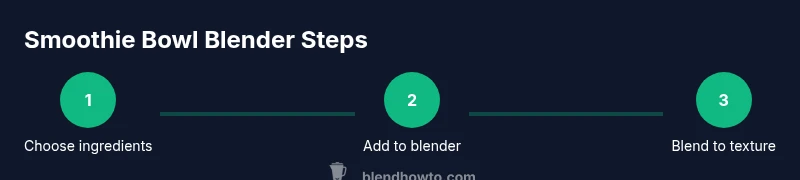
Layer ingredients in the blender
Add liquids first, then soft fruits, then frozen pieces. This helps the blades engage smoothly and minimizes stalls. If using greens, introduce them early with some liquid.
Tip: Keep the blender running at a low speed while layering to prevent clumping. - 4
Blend to texture
Start on a slow setting and gradually increase speed. Use a pulse or short bursts to check texture and scrape the sides as needed. Stop when the mixture is thick and scoopable without gritty bits.
Tip: Pause to scrape the sides every 15–20 seconds for uniform texture. - 5
Evaluate and adjust
If the blend is too thick, add a little more liquid; if too thin, add more frozen fruit. Re-blend in short bursts until you reach the desired density. Allow a minute for ingredients to settle before serving.
Tip: Small tweaks beat a big correction—adjust gradually. - 6
Serve and top
Scoop into bowls and arrange toppings for color and texture. If you’re sharing photos, consider a layered pattern rather than stacking everything at once. Serve immediately for best texture.
Tip: Chill bowls slightly to keep the base cold longer.
Frequently Asked Questions
What blender is best for smoothie bowls?
A blender with a strong motor, sturdy blades, and a wide jar generally delivers the most consistent, scoopable texture for smoothie bowls. Look for models that handle frozen fruit and greens without overheating.
For best results, choose a blender with a strong motor, durable blades, and a wide jar that handles frozen fruit and greens smoothly.
Can I use a regular blender for smoothie bowls?
Yes, a regular blender can make smoothie bowls, but you may need to blend in batches, use more frozen fruit, and pause to scrape sides for even texture.
Yes, but you might need to blend in batches and scrape the sides to keep the texture smooth.
Is a high-powered blender necessary for smoothie bowls?
Not strictly necessary, but a high-powered blender often yields creamier, more consistent bases with less effort, especially when greens or multiple frozen ingredients are involved.
Not strictly, but a high-powered blender usually gives creamier results with less effort.
Why is my smoothie bowl grainy?
Graininess usually comes from fibrous greens or incomplete blending. Fix by adding liquid, blending longer, and ensuring frozen fruit is evenly distributed.
Graininess often means greens weren’t fully integrated or the mix wasn’t blended long enough.
How do I clean the blender after making a smoothie bowl?
Rinse immediately, then blend warm soapy water or use a quick clean cycle if available. Always unplug first and handle blades with care.
Rinse immediately, then use warm soapy water or a cleaning cycle. Unplug and be careful with the blades.
Can I make a smoothie bowl without frozen fruit?
Yes. You can use ripe fresh fruit and a bit of ice or yogurt to thicken, but expect a lighter texture than with frozen fruit.
Yes, you can, but expect a lighter texture when you don’t use frozen fruit.
Watch Video
What to Remember
- Choose a blender with a strong motor and wide jar for smoothie bowls.
- Prep ingredients thoroughly to prevent texture issues.
- Adjust texture with small liquid or frozen-fruit additions.
- Layer and blend in stages to maintain creaminess and control.